Last updated November 21, 2026
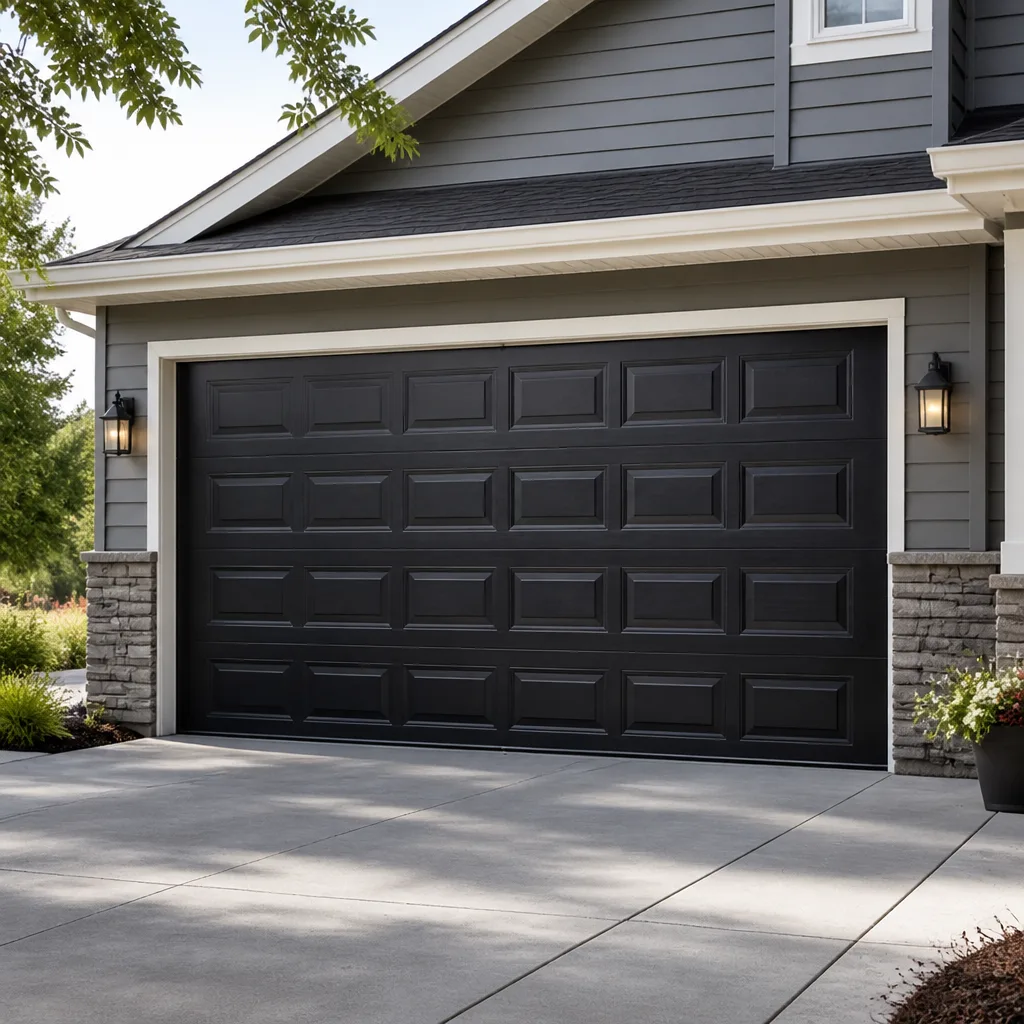 Raised-panel steel
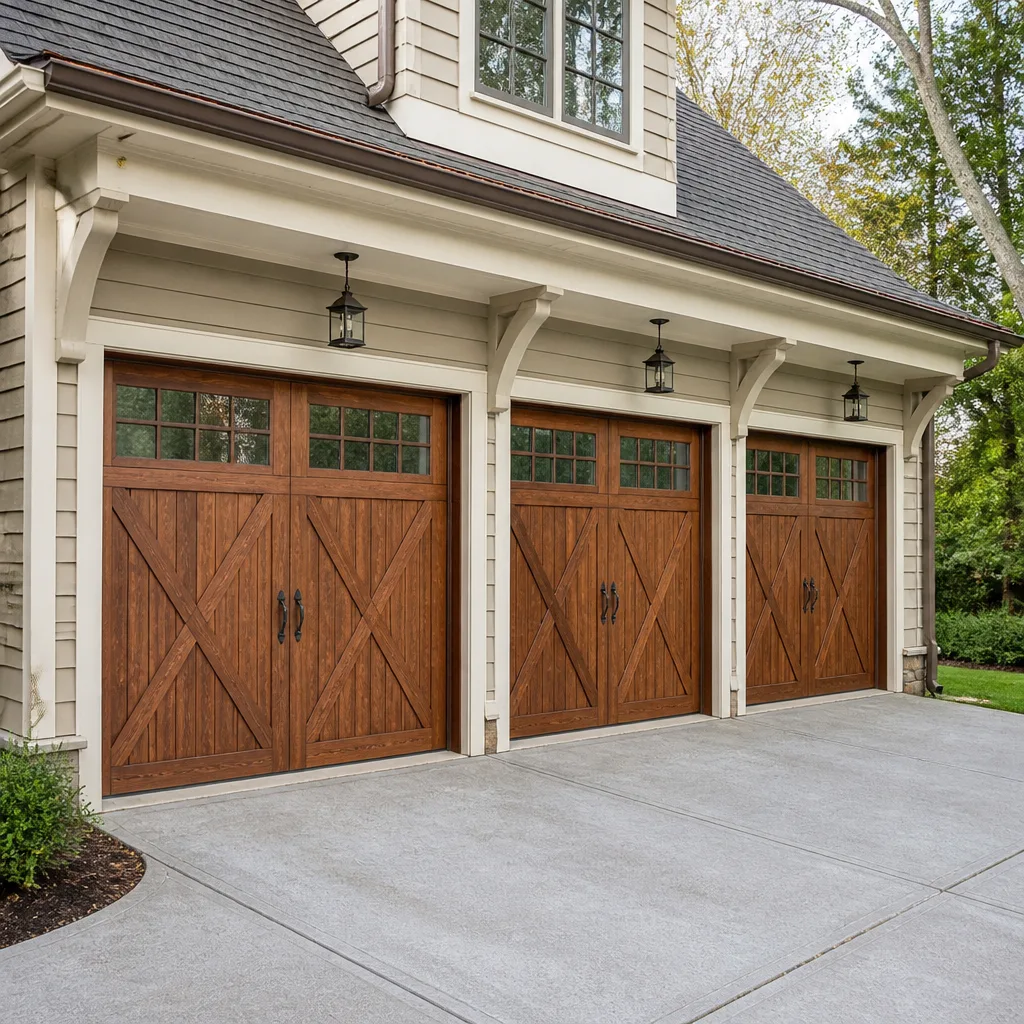 Carriage house
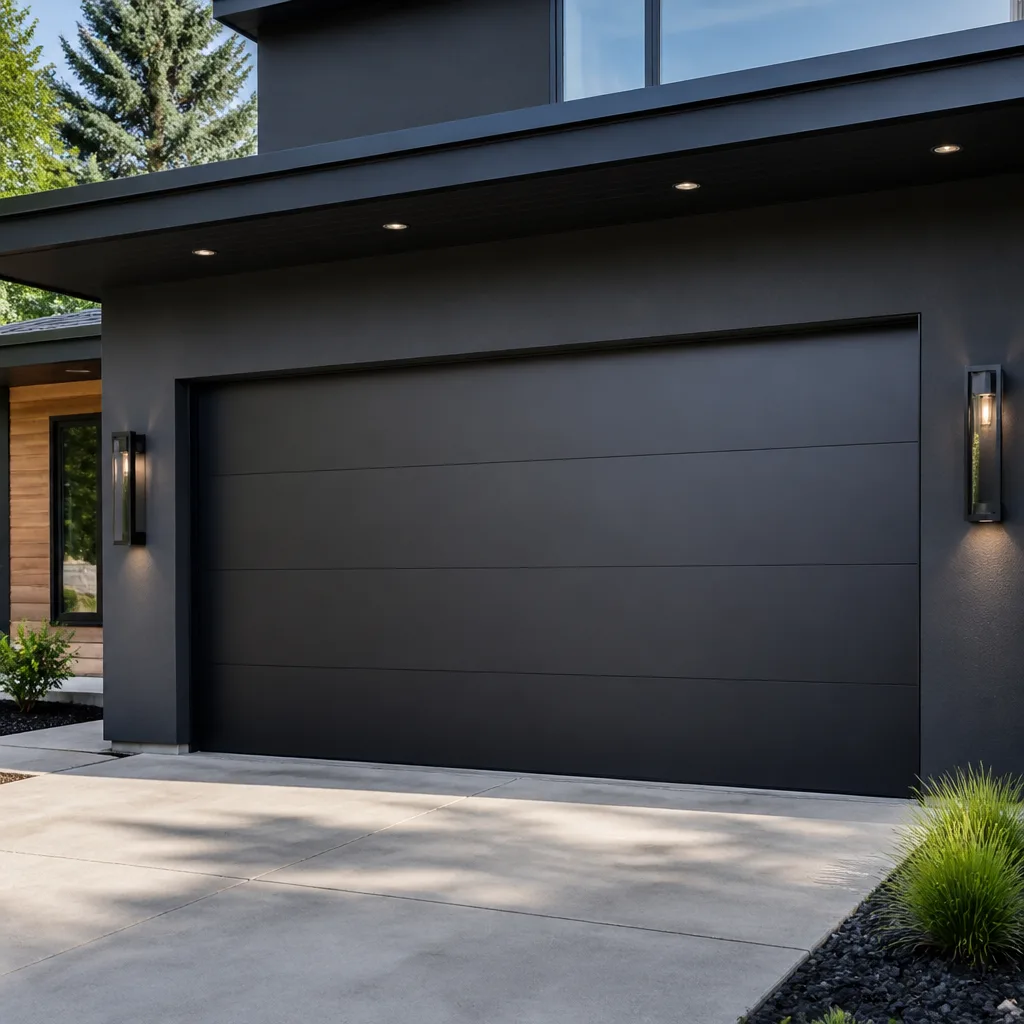 Modern flush
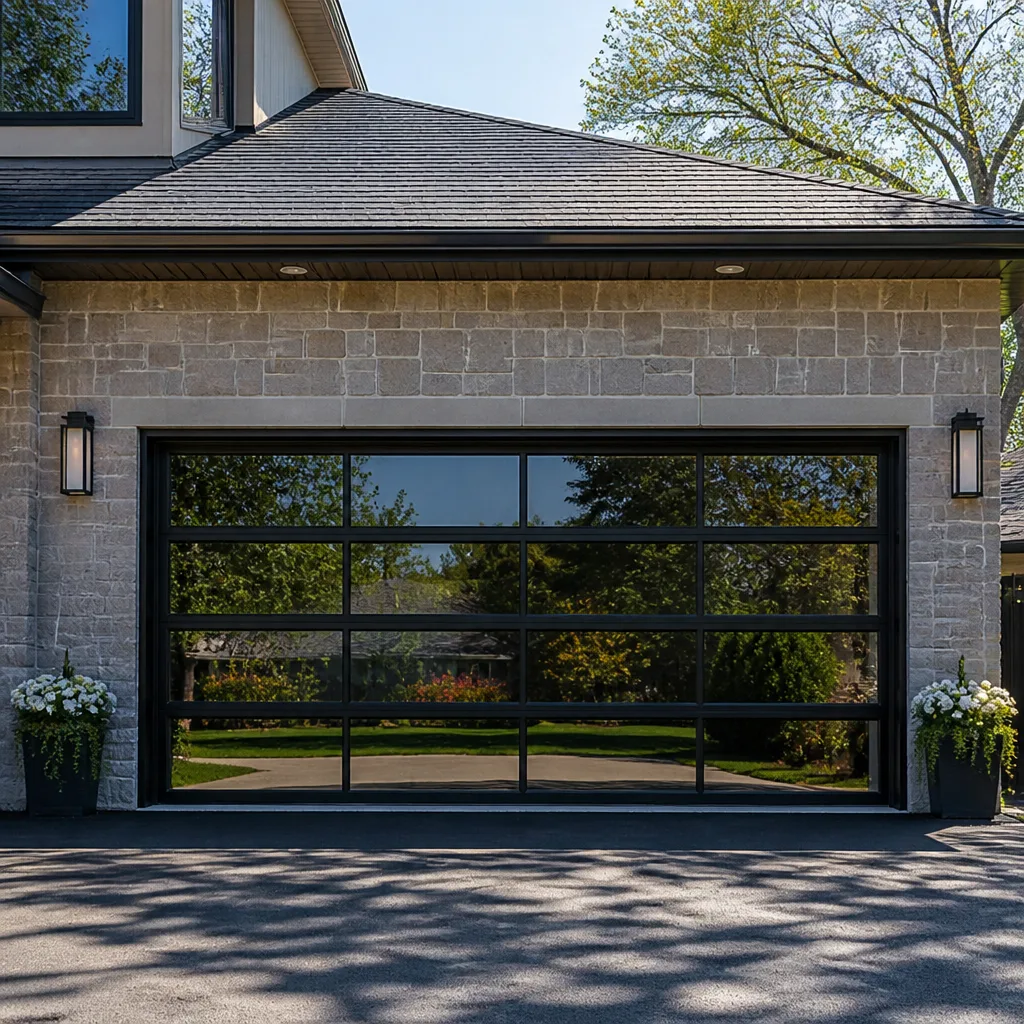 Full-view glass
 LiftMaster openers
 Chamberlain openers
Full 25-point door and opener safety check with every visit - springs, cables, rollers, tracks, and your LiftMaster or Chamberlain opener included
You get a price before we start. It does not change when the pro arrives.
Get your free estimateGarage Door Permits, Codes & Inspections in Battle Creek, MN: What You Need to Know
Most homeowners in Battle Creek assume that any garage door work is permit-free, and for a lot of jobs they’re right. Swapping a panel, replacing an opener, or fixing a bent track usually doesn’t touch the building code. But a full door replacement on an attached garage is a different animal, because the door and its surrounding framing are part of the fire-separation assembly between the garage and the house. Change that assembly without the right paperwork and you can create a disclosure problem at closing that costs more to sort out than the permit ever would have. This guide draws the line for you: what needs a permit in Minnesota, what doesn’t, how attached and detached garages differ, and who carries the liability if the permit gets skipped. We’ll keep it grounded in how inspections actually go in Battle Creek and the surrounding Calhoun County area.
Quick Answer
In Minnesota, replacing a garage door on an attached garage can require a building permit because the door is part of the fire-rated separation between the garage and the living space, while a simple panel swap or opener replacement generally does not. Rules vary by scope and by whether the garage is attached or detached, so the reliable move is to confirm with your city’s building department before work starts. When a permit is required, the contractor pulling it and the homeowner both have a stake in making sure it happens.
Styles & brands we work with
- Raised-panel steel
- Carriage house
- Modern flush
- Full-view glass
- LiftMaster openers
- Chamberlain openers
Table of Contents
- Does Replacing a Garage Door Require a Permit in Minnesota?
- Attached vs. Detached Garages: Why the Classification Matters
- What Inspectors Actually Look At During a Garage Door Inspection
- Handling an Unpermitted Prior Installation Found During a Sale
- Who Pulls the Permit: Contractor vs. Homeowner Liability
- How Battle Creek’s Climate Shapes Garage Door Code Concerns
- The Step-by-Step Permit and Inspection Process
Does Replacing a Garage Door Require a Permit in Minnesota?
It depends on the scope and on the garage. Minnesota’s State Building Code treats the garage-to-house wall as a fire-separation assembly, and the door is part of that assembly when the garage is attached. That’s the pivot point. Here’s how it usually shakes out:
- Explicitly exempt in most cases: replacing an opener, swapping a single damaged panel, replacing rollers, cables, or springs, and adjusting or replacing tracks. None of these change the fire-separation assembly, so most jurisdictions don’t require a permit for them.
- Often permitted: a full door replacement on an attached garage, especially when the opening size, header, or framing changes. Cutting a new opening or resizing one is almost always a permit job.
- Almost always permitted: structural changes to the garage framing, adding a new garage, or converting a carport to an enclosed garage.
We say “often” and “almost always” because Minnesota code is enforced by local building departments, and Battle Creek-area inspectors apply it with their own judgment. The safest call before any full replacement is to phone the city’s building department and describe exactly what’s changing. If it’s just a repair, you likely don’t need a permit. If it’s a replacement on an attached garage, ask the question directly and get the answer in writing. That one call protects you at resale.
For day-to-day repairs that don’t touch the code, you can skip the permit conversation entirely and go straight to garage door repair.
Attached vs. Detached Garages: Why the Classification Matters
An attached garage shares a wall with your house. A detached garage stands on its own. That single difference drives most of the code discussion, and it’s the thing homeowners most often overlook.
An attached garage is treated as a fire risk to the living space. Gasoline, lawn equipment, and stored chemicals live there, and a fire that starts in the garage can spread through the shared wall in minutes. Building codes address this with a fire-separation assembly: specific wall construction, a fire-rated door between garage and house, and often a self-closing mechanism on that door. The overhead garage door is part of this assembly because it’s the largest opening in the garage envelope.
A detached garage has no shared wall with the living space, so the fire-separation requirements that apply to an attached garage generally don’t apply the same way. That’s why a full door replacement on a detached garage in Battle Creek often requires no permit at all, while the same job on an attached garage may.
Here’s the practical part: if your garage shares a wall with the house and you’re replacing the door, assume the fire-separation assembly is in play. Ask your building department whether the replacement triggers a permit. If the answer is yes, factor it into the schedule. If you’re also changing the entry door between the garage and the house, that’s a separate fire-rated component and worth mentioning in the same call.
If you’re weighing a full replacement and want to understand the scope first, our garage door installation page walks through what’s involved.
What Inspectors Actually Look At During a Garage Door Inspection
Garage door inspections aren’t mysterious. Inspectors look for a short list of things, and knowing them ahead of time removes most of the anxiety. A rough-in or final inspection on an attached garage typically covers:
- The fire-separation assembly. The wall between garage and house, the entry door, and how the overhead door relates to the opening. Inspectors check that the assembly matches what the plans called for.
- The opening and header. Whether the rough opening size is correct and the header is adequate for the span. This is where a replacement that changed dimensions can fail if it wasn’t permitted.
- Fastening and anchoring. How the door and its tracks are secured to the framing. Loose or missing fasteners are a common correction item.
- The opener and safety features. Whether the opener is properly installed and whether the safety reverse function works. Inspectors do test that the door reverses on contact.
- Clearances and labeling. Product labels and manufacturer documentation, plus clearance around moving parts.
One thing that surprises homeowners: an inspector can require corrections and a re-inspection, which stretches the timeline. If your door is being installed as part of a larger project (an addition, a rebuild), coordinate the inspection sequence with the general contractor so the door inspection doesn’t hold up other trades. In Battle Creek, where winter slows exterior work, a missed inspection window can cost you weeks. Get the sequencing right up front.
Handling an Unpermitted Prior Installation Found During a Sale
This happens more than you’d think. A home goes on the market in Battle Creek, the buyer’s inspector notes the garage door was replaced at some point, and there’s no permit record. Suddenly the seller has to answer for work that may have been done correctly but wasn’t documented. What follows is a process, not a disaster.
- Pull the permit history. The city’s building department can tell you what was and wasn’t permitted. Sometimes a permit was pulled and just not recorded where the buyer looked.
- Request an inspection. In many jurisdictions, an existing installation can be inspected after the fact. If it meets current code, the city may issue a permit or close the record with an inspection report.
- Get a contractor’s written assessment. A licensed contractor can document what was installed and whether it meets the fire-separation requirements. That document can satisfy a buyer’s concerns and often a lender’s.
- Correct what fails. If the inspection finds a real problem, fix it before closing. A correction now is cheaper than a credit or a renegotiation at the eleventh hour.
- Disclose, don’t hide. If the record can’t be closed, disclose the unpermitted work in the seller’s disclosure. Buyers accept documented problems far more readily than surprises.
The lesson for anyone planning a replacement in Battle Creek: pull the permit when the work is done, and keep the paperwork with the house. Future you, or the person buying the house, will thank you.
Who Pulls the Permit: Contractor vs. Homeowner Liability
This is where liability gets interesting. In most Minnesota jurisdictions, either the homeowner or the contractor can pull a residential permit. The homeowner can pull their own if they’re doing the work themselves. When a contractor does the work, the contractor should pull it.
Here’s why it matters. If the contractor pulls the permit, the contractor is on record as responsible for code compliance and for scheduling the inspection. If the homeowner pulls it and the contractor does the work, the homeowner is on record. If something goes wrong later, the permit record shows who was responsible, and that record follows the property. A homeowner who pulls a permit for contract work can end up holding the bag for a contractor’s mistake.
So the responsible arrangement is simple: the licensed contractor pulls the permit, schedules the inspection, and gives the homeowner the final inspection record when the job closes. Ask up front who’s pulling it. Get it in writing in the estimate. If a contractor suggests skipping the permit to save time, that’s a warning sign, not a shortcut.
At Garage Door Repair Battle Creek, we connect you with local professionals who hold the proper state licensing and pull permits as the scope requires. That’s part of why a written estimate matters: it spells out exactly what’s included, including the permit when one is needed. Call (844) 964-0574 for a free estimate, and we’ll tell you honestly whether your job needs one.
How Battle Creek’s Climate Shapes Garage Door Code Concerns
Battle Creek sits in southwestern Michigan, which means real winters, freeze-thaw cycles, and humidity swings that stress garage door hardware in specific ways. That climate context matters for code because inspections aren’t just paperwork; they reflect how a door will actually perform in the local conditions.
Cold winters mean the door and its seals take a beating. Weatherstripping hardens and cracks, and the bottom seal is the first line of defense against snow and meltwater. During an inspection, weatherstripping isn’t usually a code item on its own, but a door that doesn’t seal is a door that lets cold air and moisture into the fire-separation assembly. Inspectors may flag gaps around an attached garage door because air sealing is part of how the assembly performs.
Freeze-thaw is hard on concrete and on the tracks. A garage floor that heaves slightly can throw a door out of alignment, which then puts stress on the springs and opener. None of that is a permit issue, but it’s the reason we tell Battle Creek homeowners to have the door checked before winter sets in. A door that’s out of adjustment is more likely to fail at the worst time, and a mid-winter failure on an attached garage is both inconvenient and a security concern.
Humidity swings in summer can cause wood jambs and framing to move, which affects how the door sits in its opening. If you’re replacing a door, the installer should account for that movement so the new door stays true through the seasons. It’s part of what makes a Battle Creek installation different from one in a milder climate.
The Step-by-Step Permit and Inspection Process
If your job needs a permit, here’s how the process runs from start to finish. It’s less complicated than it sounds when it’s handled in order.
- Confirm the requirement. Call the city’s building department in Battle Creek and describe the scope. Ask whether a permit is required and what the application needs.
- Get a written estimate that includes the permit. The estimate should state who’s pulling it and what the inspection schedule looks like. Any price is quoted and agreed before work starts, so nothing about the permit is a surprise later.
- Submit the application. The licensed contractor pulls the permit with the job scope and, where required, manufacturer documentation for the door and opener.
- Complete the installation or replacement. Work proceeds to code, with the fire-separation assembly left intact and clearly documented.
- Schedule the inspection. The contractor calls for a rough-in or final inspection as the jurisdiction requires. Make sure someone is available to provide access.
- Close the record. Once the inspection passes, the contractor provides the signed inspection record. Keep it with the house documents.
- Re-inspect if corrections are needed. If the inspector flags anything, fix it and schedule the re-inspection promptly so the job doesn’t drag.
We handle the diagnostics and repair side of garage doors every day, and we’ve seen how a permit done right saves headaches later. If the door itself is failing, our garage door opener repair team can diagnose whether it’s the opener, the springs, or the door alignment before you commit to a replacement. And if you’re starting fresh, the main Garage Door Repair Battle Creek page covers the full range of what we connect you with.
Common Mistakes to Avoid
- Assuming all garage door work is permit-free. Panel swaps and opener replacements usually are, but a full replacement on an attached garage in Minnesota may require a permit. Confirm before you start, not after.
- Letting the homeowner pull the permit for contract work. The permit record follows the property, so the person on record is the one who answers for compliance. The contractor should pull it when they’re doing the work.
- Skipping the permit to save time. The time saved is small; the problem at resale can be large. A buyer’s inspector will notice a replaced door, and an unpermitted job becomes a negotiating point.
- Ignoring the fire-separation assembly on an attached garage. The door is part of it. Treat any change to that assembly as a code question, not just a hardware swap.
- Not checking the record before selling a Battle Creek home. Pull the permit history early in the sale process. If there’s an unpermitted installation, you want to resolve it before a buyer finds it.
- Assuming a detached garage follows the same rules. Detached garages generally have lighter requirements because they don’t share a wall with the living space. Don’t apply attached-garage rules to a detached one, or vice versa.
- Forgetting to keep the final inspection record. The paperwork is what closes the loop. If you can’t produce it later, the work looks unpermitted even if it wasn’t.
See the difference
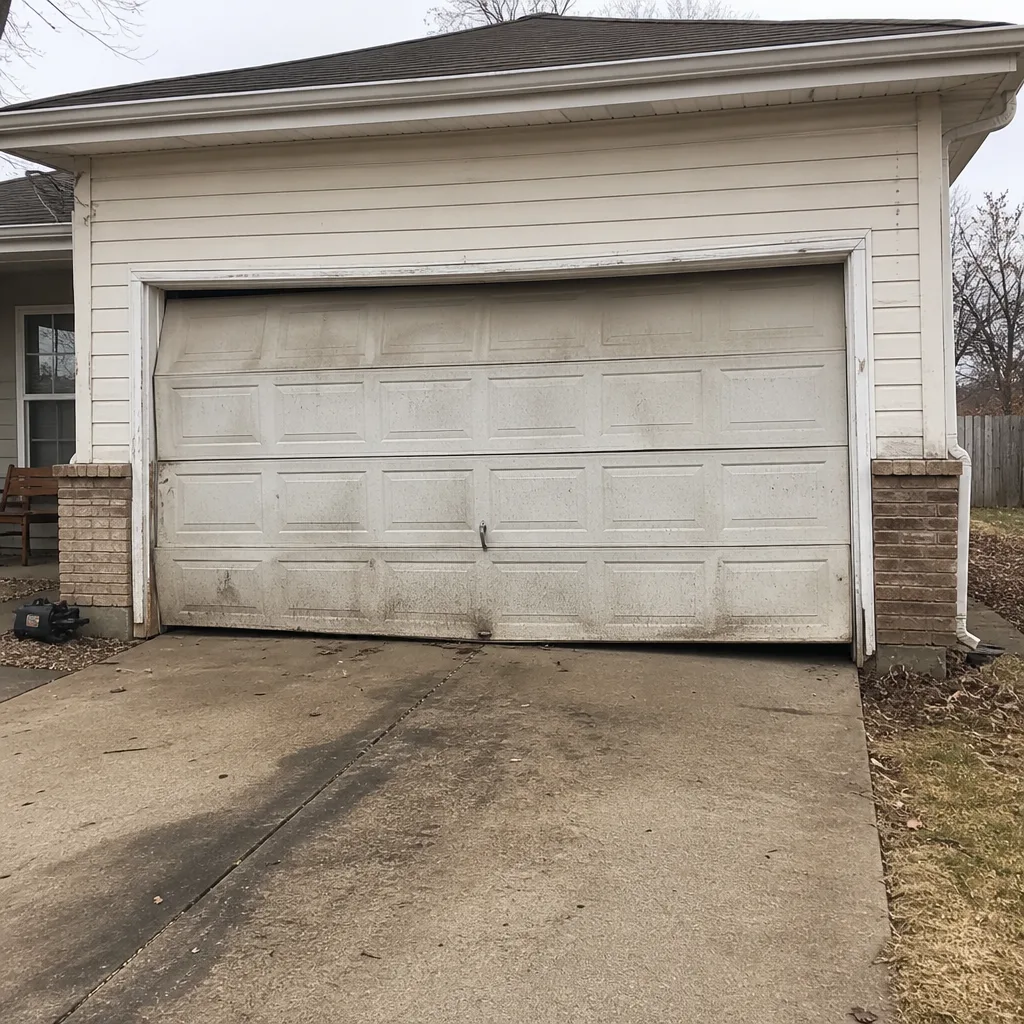 Before
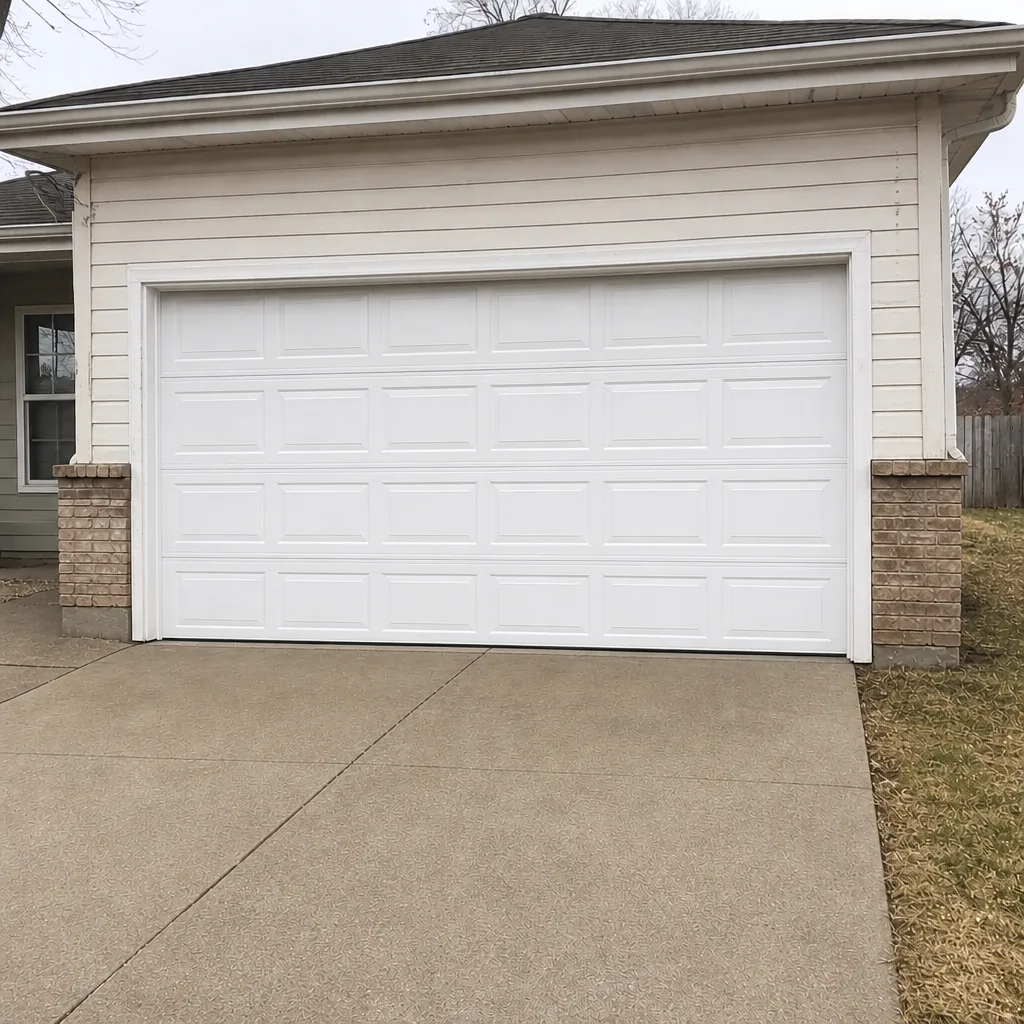 After
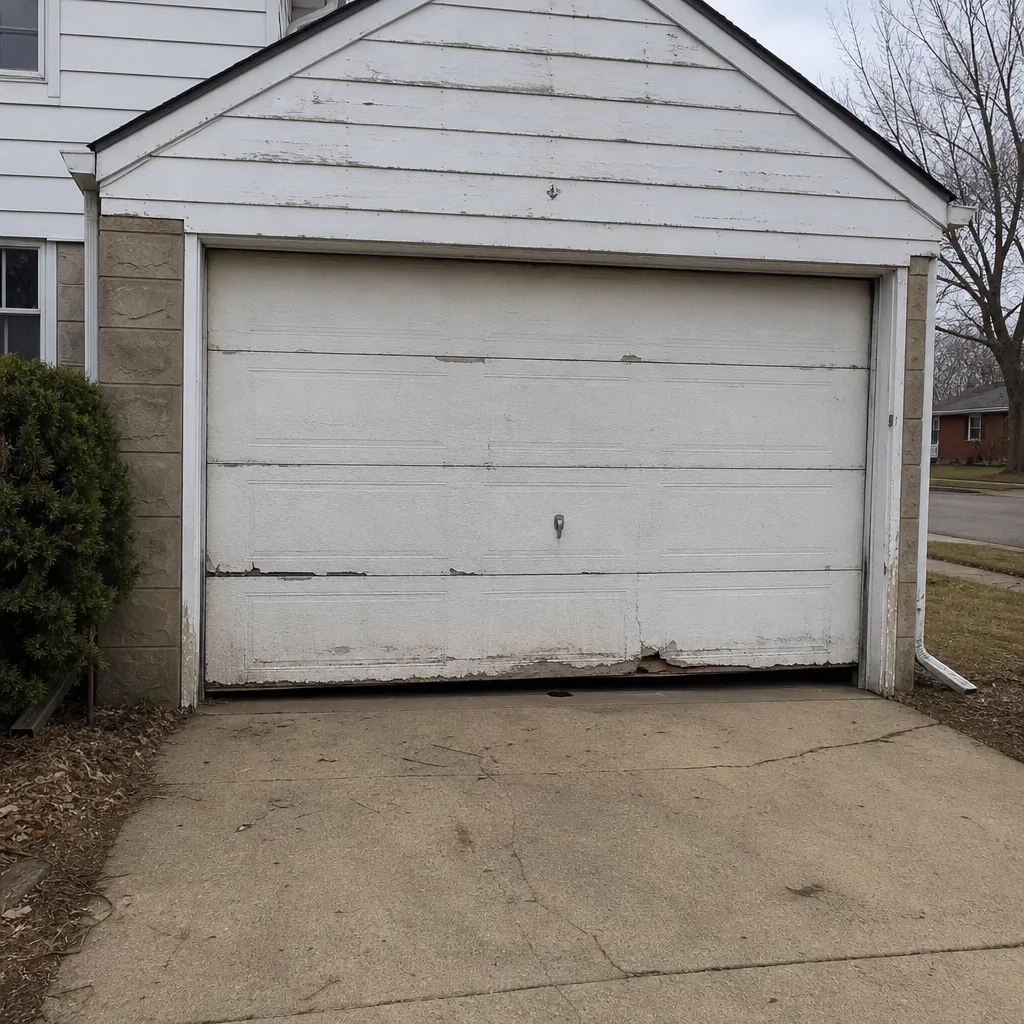 Before
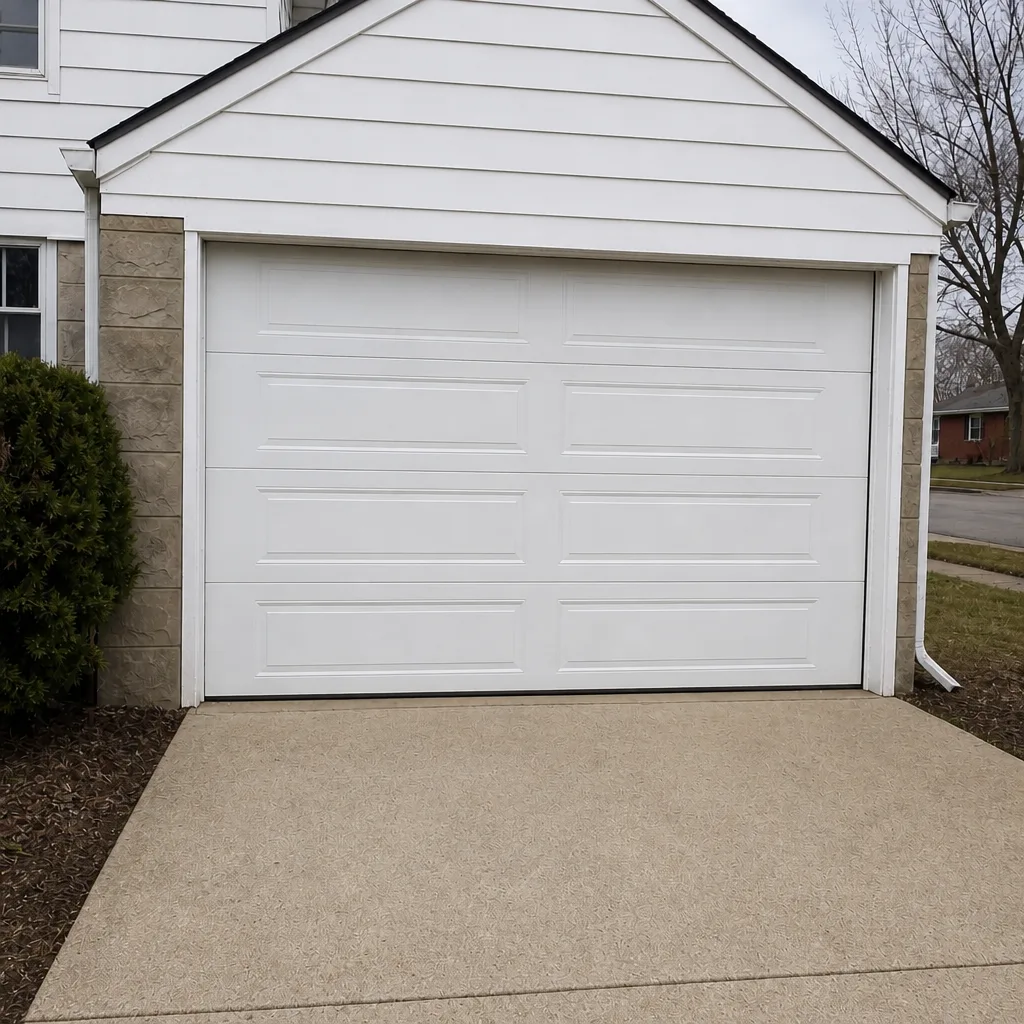 After
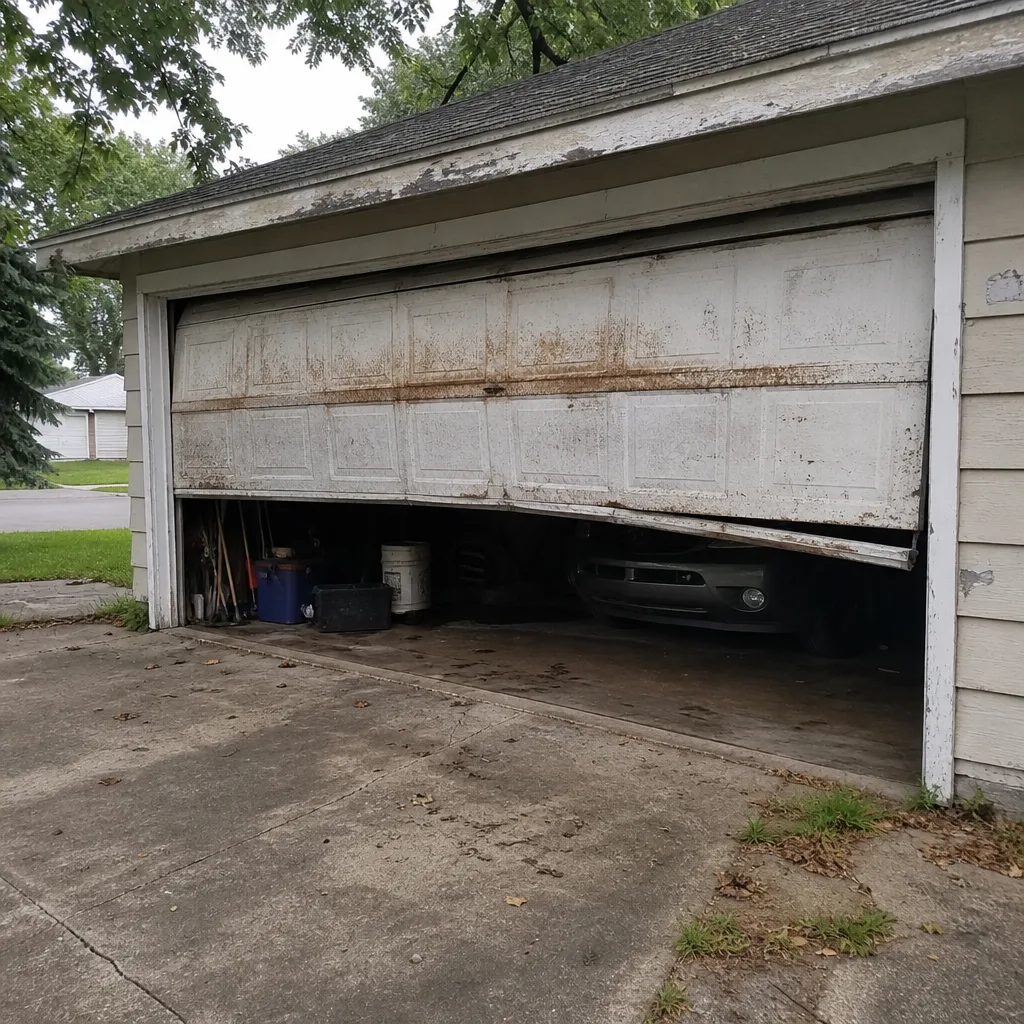 Before
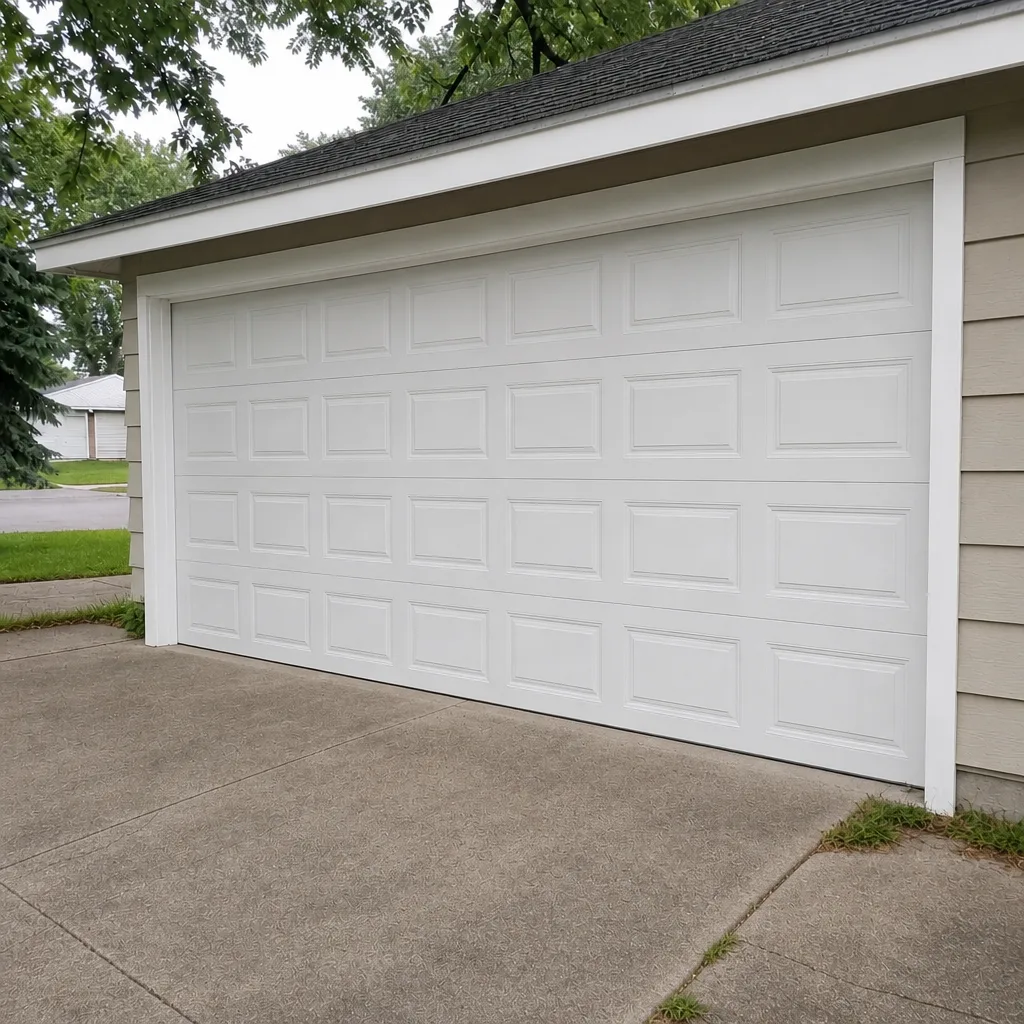 After
When to Call a Professional
Some of this you can handle yourself, and some of it you shouldn’t touch. Call a professional when the springs need replacing, because high-tension torsion and extension springs require a trained technician; this is not a job for a ladder and a YouTube video. Call when the opener keeps reversing, the door is out of alignment, or a cable has snapped. Call when you’re planning a full replacement on an attached garage and need to know whether a permit is required. Also call when you’re buying or selling a Battle Creek home and the garage door record is unclear. We connect you with local professionals trained on the brands you actually have, including Raynor, LiftMaster, and Chamberlain, so nobody is guessing at unfamiliar hardware. Garage Door Repair Battle Creek offers free estimates in Battle Creek. Call (844) 964-0574 to get started.
Frequently Asked Questions
It depends on the scope and whether the garage is attached. A full replacement on an attached garage can require a permit in Minnesota because the door is part of the fire-separation assembly, while a panel swap or opener replacement generally does not. Call your city’s building department to confirm the exact scope before work starts. Call (844) 964-0574 for a free estimate and we’ll tell you what we see.
Usually no. Replacing an opener is a like-for-like swap that doesn’t change the fire-separation assembly, so most jurisdictions don’t require a permit for it. That said, the opener must be installed correctly and the safety reverse function must work. If you’re unsure which model fits your existing door, we can help sort it out. Call (844) 964-0574 for an exact quote; estimates are free.
The person named on the permit record is the one on record for compliance, which is why the licensed contractor should pull it when they’re doing the work. If the homeowner pulls the permit and the contractor performs the work, the homeowner can end up responsible for a contractor’s mistake. Get it in writing up front. Call (844) 964-0574 to talk through your job.
Timelines vary by jurisdiction and workload. A simple residential permit can move quickly once the application is complete, but inspection scheduling adds time, and corrections can add more. The safest approach is to build the permit and inspection into the schedule from the start. Call (844) 964-0574 and we’ll give you a realistic written estimate.
Often yes. The city may allow an existing installation to be inspected and the record closed if it meets current code. If the inspection finds a real deficiency, the fix is usually simpler than the buyer-and-seller negotiation it prevents. Have a contractor document what was installed and whether it meets the fire-separation requirements. Call (844) 964-0574 for a free estimate.
Generally no. The fire-separation requirements that drive permit questions on an attached garage don’t apply the same way to a detached garage because there’s no shared wall with the living space. But local building departments enforce their own rules, so confirm the scope with the city before you build or replace. Call (844) 964-0574 and we’ll help you sort out what’s needed.
The Bottom Line
The permit question comes down to three things: what’s actually changing, whether the garage is attached to the house, and how your local building department applies the code. Panel swaps, opener replacements, and spring repairs usually don’t need a permit. A full door replacement on an attached garage in Battle Creek may, because the door is part of the fire-separation assembly. Get the answer from the city before work starts, have a licensed contractor pull the permit, and keep the final inspection record with the house. That’s how you avoid a disclosure problem at closing and get a door that’s compliant, safe, and right for a Michigan climate.
Need help figuring out where your job falls? Call Garage Door Repair Battle Creek at (844) 964-0574 for a free estimate, and we’ll walk through the scope with you. Our technicians have up to 9 years of experience, and we connect you with local professionals who work on the brands you already own.
Written by the team at Garage Door Repair Battle Creek.