Last updated November 21, 2026
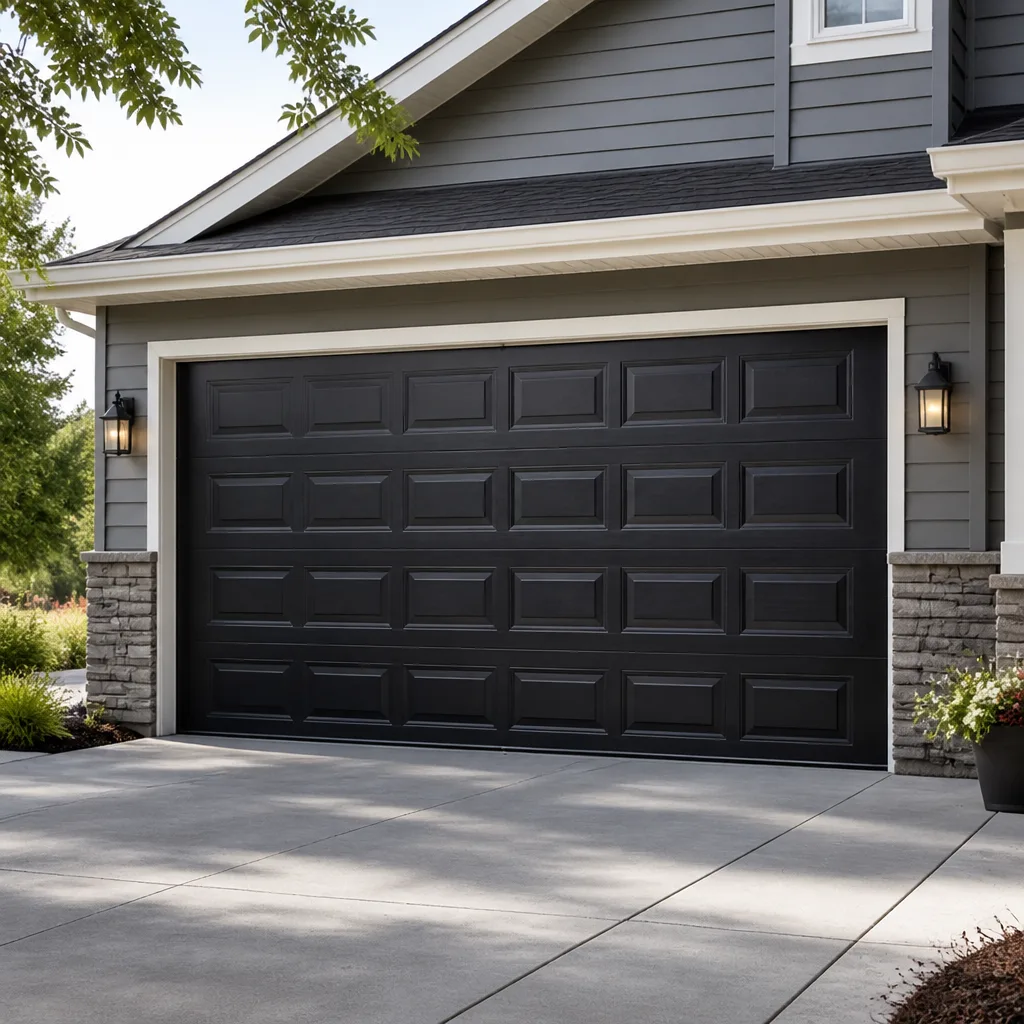 Raised-panel steel
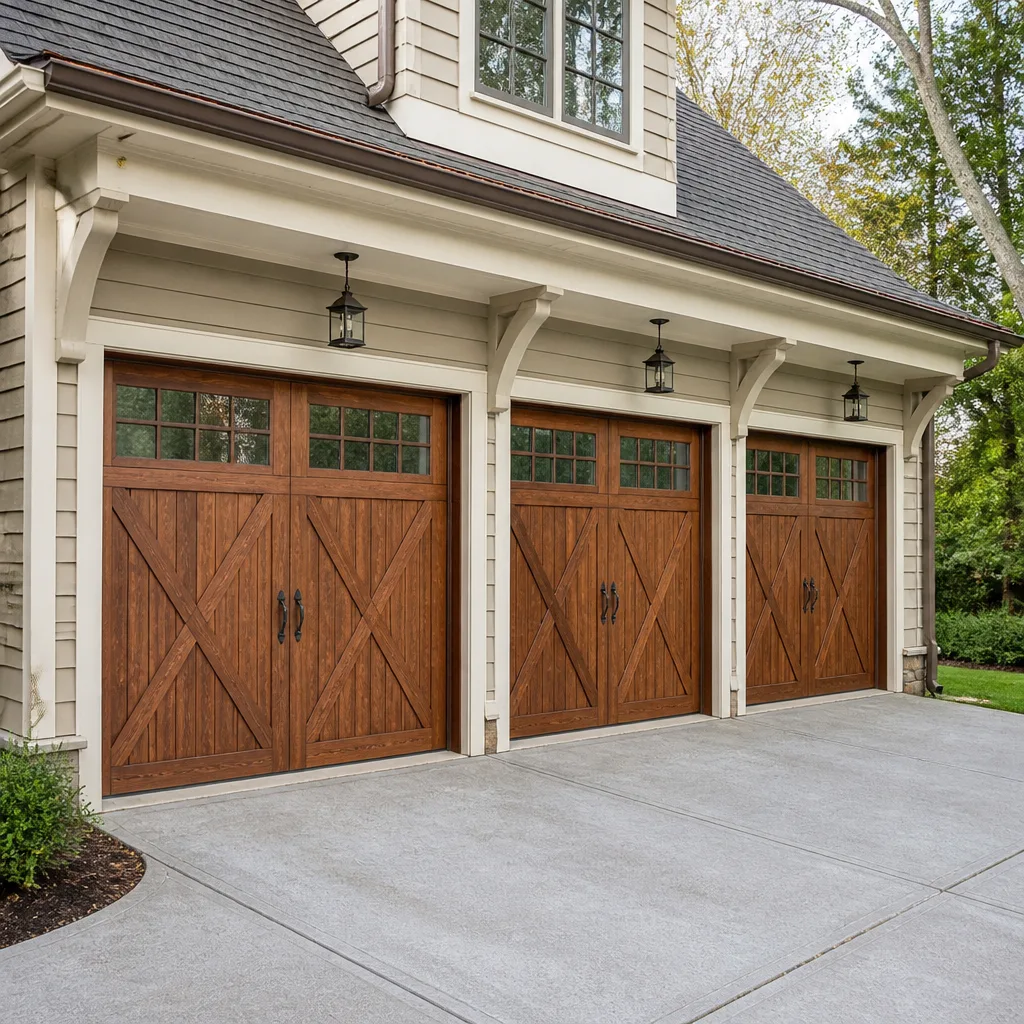 Carriage house
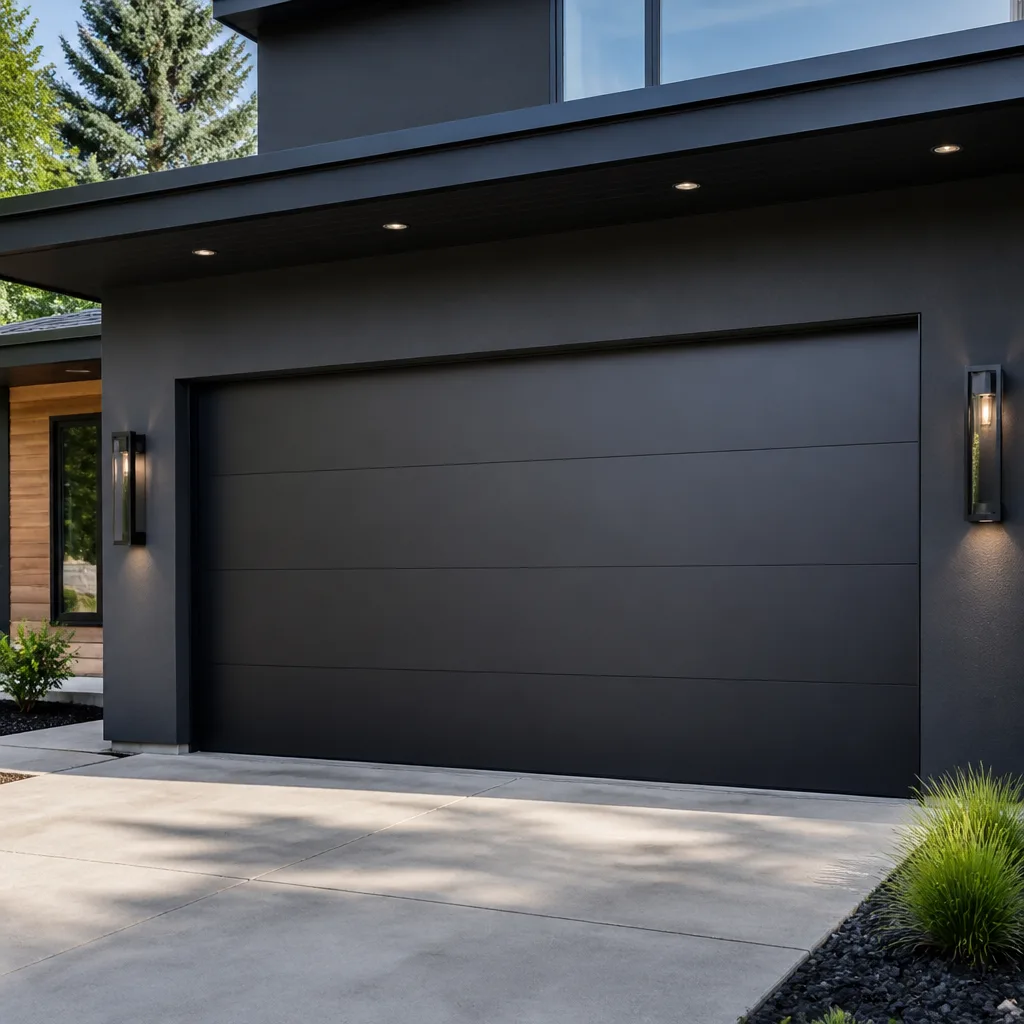 Modern flush
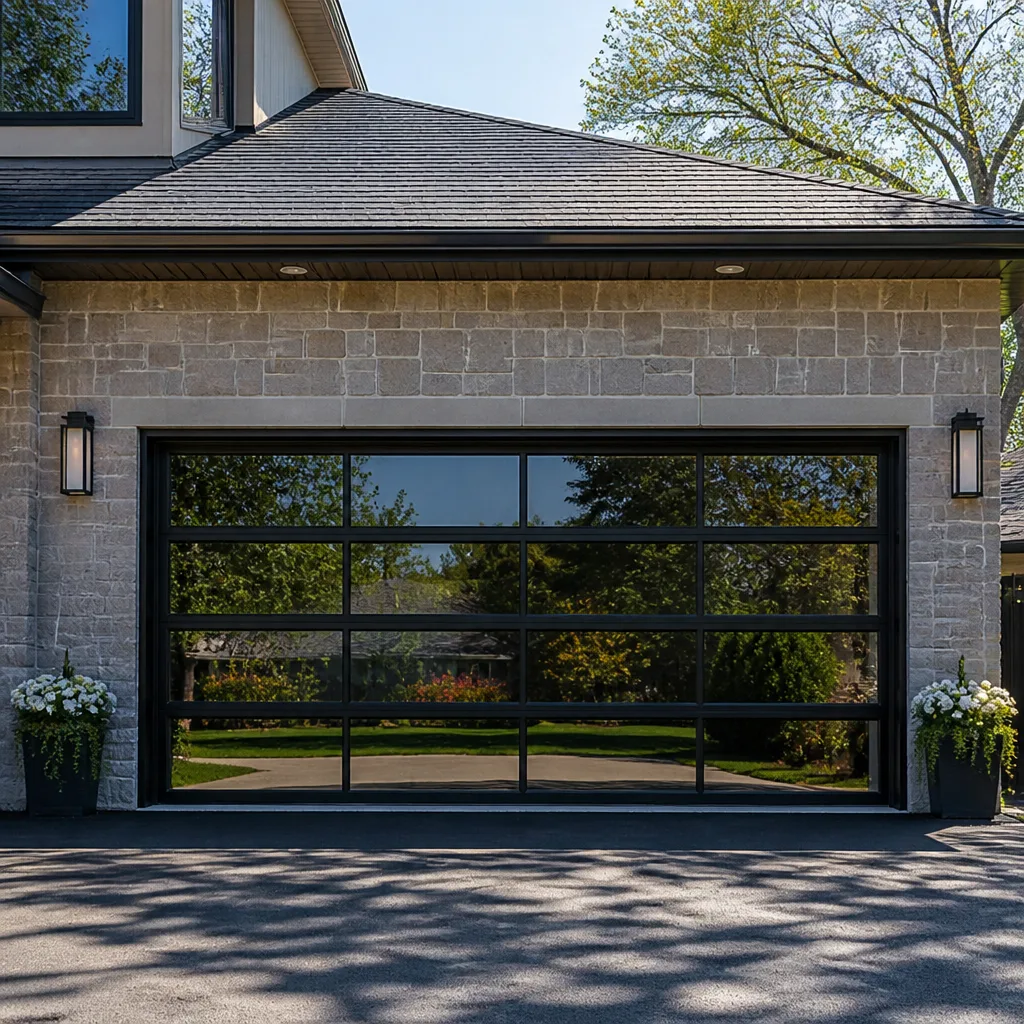 Full-view glass
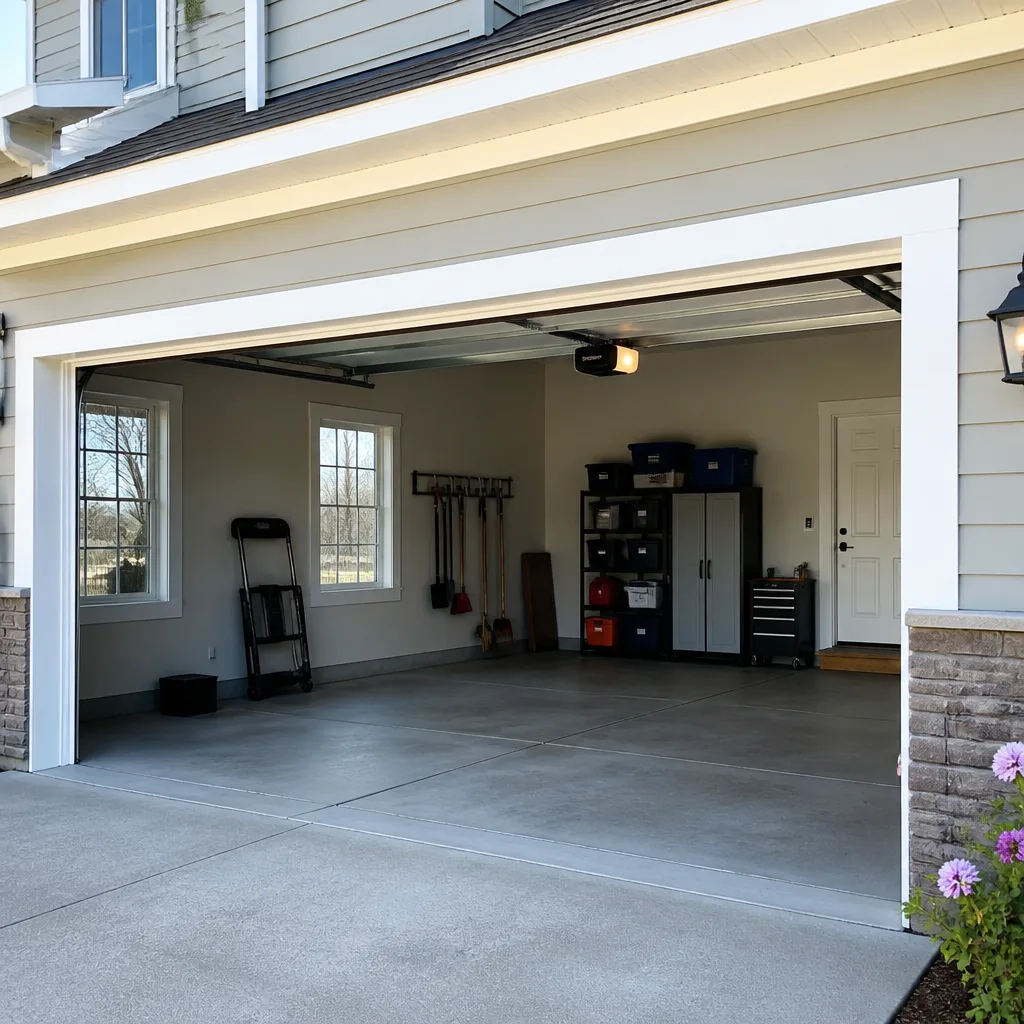 LiftMaster openers
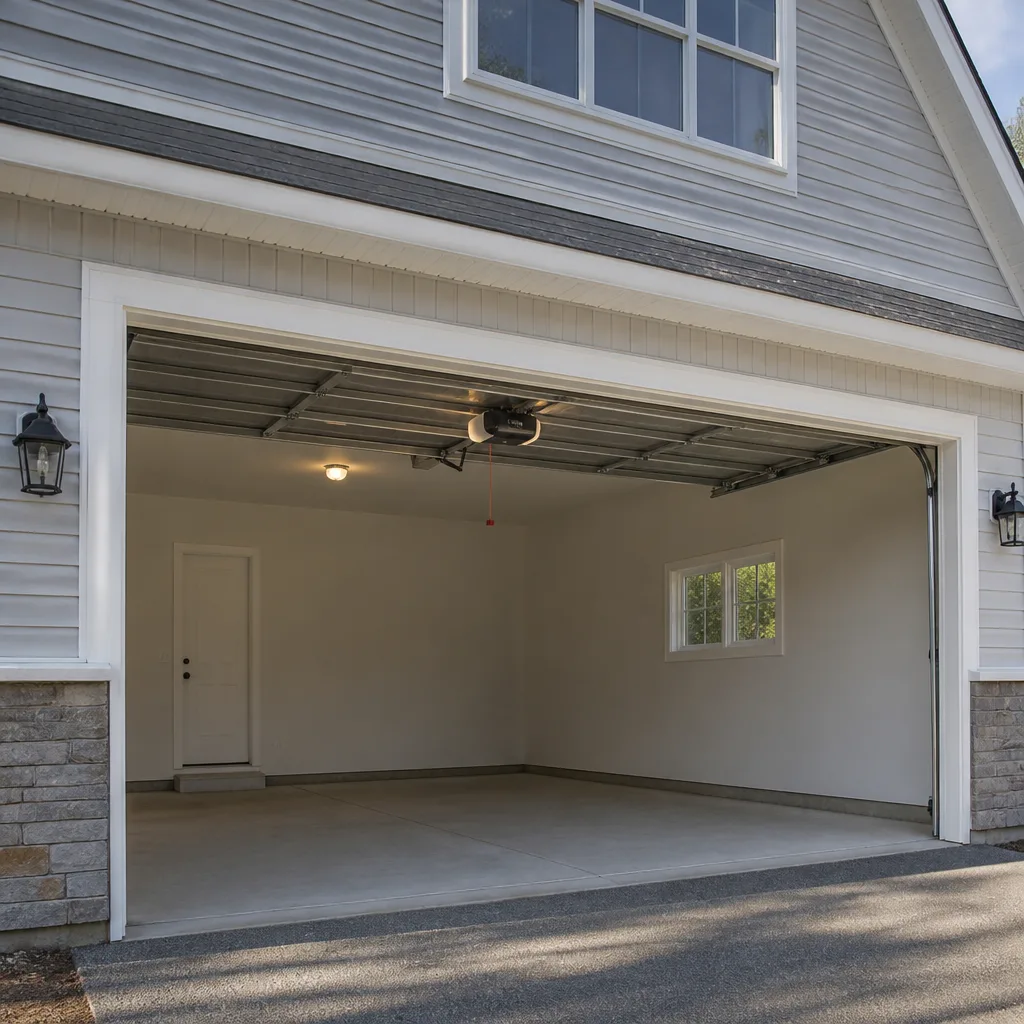 Chamberlain openers
Full 25-point door and opener safety check with every visit - springs, cables, rollers, tracks, and your LiftMaster or Chamberlain opener included
You get a price before we start. It does not change when the pro arrives.
Get your free estimateHow to Hire a Garage Door Contractor in Battle Creek: A Step-by-Step Guide
A contractor who quotes a torsion spring job without asking for your door’s weight and height hasn’t actually quoted your job. They’ve quoted a guess. That’s the uncomfortable truth about shopping for garage door work: two quotes can look identical on paper and still be priced from completely different levels of understanding. One technician knows your door, your opener, and your tracks. The other is running a service menu off a clipboard. This guide gives you the technical filter questions that separate a capable specialist from a generalist, shows you what a real written estimate looks like, and explains how to check licensing and insurance before anyone touches your door. The same standards apply whether you’re in Minges Brook, Post Addition, or anywhere else in Battle Creek.
Quick Answer
Hire a garage door contractor in Battle Creek by asking three things before you book: the door’s weight and spring type, the specific opener brand and model they can diagnose, and what the written estimate covers line by line. Verify the contractor’s Minnesota license and insurance through the state database, get the price in writing before work begins, and be wary of any spring quote that doesn’t reference your door’s actual measurements. A specialist asks you questions first. A generalist just quotes a number.
Styles & brands we work with
- Raised-panel steel
- Carriage house
- Modern flush
- Full-view glass
- LiftMaster openers
- Chamberlain openers
Table of Contents
- The Three Questions That Reveal a Contractor’s Depth
- What a Legitimate Written Estimate Must Include
- How to Verify Licensing and Insurance in Minnesota
- Dealer-Certified Technician vs. Generalist Handyman
- Why the Cheapest Spring Quote Is Often the Wrong Spring
- What You Should Never Attempt Yourself
- What Battle Creek Winters Do to Garage Doors
- Common Mistakes to Avoid
The Three Questions That Reveal a Contractor’s Depth
You can learn more from a two-minute phone conversation than from an hour of comparing quotes. Ask these three questions before you schedule anyone. How they answer tells you whether they understand your door or are pattern-matching to a template. In our experience, a real specialist answers these without hesitation and often asks follow-up questions of their own.
1. “What size and type of spring does my door have, and how would you confirm it?”
A knowledgeable technician will tell you that torsion springs are sized by wire gauge, inside diameter, and length, and that the correct spec depends on the door’s weight, height, and track configuration. They’ll ask you what kind of spring you see (a coiled spring across the top of the door is torsion, springs along the sides are extension) and whether the door has one spring or two. If the answer is “we’ll figure it out when we get there” with no questions at all, that’s a technician who plans to guess and charge you for it. Any garage door repair visit worth paying for starts with matching the part to the door, not matching the door to whatever’s on the shelf.
2. “Can you diagnose my opener brand, or do you only service what you install?”
This one separates multi-brand specialists from single-brand dealers. Plenty of companies will only work on openers they sold you. That’s not helpful if you already have a LiftMaster or a Genie on the ceiling and it just stopped responding. Ask directly whether they can work on your existing equipment, and name the brand. A specialist trained across multiple product lines will confirm it in one sentence. A dealer will hedge.
3. “What in my door system would actually need replacing versus adjusting?”
The best contractors talk about diagnosis before price. They’ll explain that a door that won’t close may need a sensor realigned, a track straightened, a limit switch adjusted, or a spring replaced, and that each one is a different job with a different cost. The answer to this question reveals whether the person on the phone thinks in terms of causes or in terms of product. If every problem magically leads to “you need a whole new door,” you’ve learned what you needed to know.
What a Legitimate Written Estimate Must Include
A written estimate is your protection. It should arrive before work begins, be itemized, and state clearly that the price you agreed to is the price you’ll pay for that scope of work. If the job changes once the technician is on site, you get a revised estimate and you approve it before the next step starts. That’s the standard we hold to on every job in Battle Creek, and it’s the standard you should demand from anyone.
What a good estimate contains
- Exact parts specified: Spring wire gauge, inside diameter, and length. Belt, chain, or screw-drive opener model if an opener is involved. Not “spring replacement” as a single line.
- Labor broken out from parts: You should be able to see roughly what a part costs and what the install costs.
- Disposal and haul-away: Old springs, broken panels, and a removed opener all need to go somewhere. It should say where.
- Safety inspection notes: What the technician checked (cables, rollers, hinges, photo-eye sensors, balance test) and the condition found.
- Total price and a written statement that the work won’t exceed it without your approval.
Two line items that signal padding
Watch for a vague “shop supplies” line carrying a large dollar amount. Small consumables are normal, but a fat shop-supply charge is often just a hiked labor rate wearing a different hat. Also watch for “door tune-up” or “full service” as a single lump sum with no description. A tune-up can be legitimate, but if the estimate won’t tell you what adjustments and parts it covers, it’s a filler line. Ask for it itemized. A contractor who can’t or won’t itemize a tune-up is telling you something about how they’ll handle any surprise once the door is off its tracks.
How to Verify Licensing and Insurance in Minnesota
Minnesota handles residential contractor licensing at the state level, and you can check a contractor’s credentials yourself before booking. The state’s licensing lookup, run through the Minnesota Department of Labor and Industry, lets you search by business name. Confirm two things: that the license is active (not expired or revoked) and that the classification matches residential work. Ask for a certificate of insurance as well, and call the insurer’s number on the certificate to confirm the policy is current, not just that a document exists. A certificate can be outdated, and outdated coverage protects nobody if a spring lets go or a ladder goes through a panel.
What to verify step by step
- Ask for the business name exactly as it appears on the estimate, plus the license number.
- Search that name in the Minnesota Department of Labor and Industry’s license lookup.
- Confirm the license status shows active and that it allows residential work.
- Request a certificate of insurance for general liability (ask the coverage limits) and workers’ compensation if the company has employees.
- Call the phone number printed on the insurance certificate to confirm the policy is still in force.
- Get a written estimate before work begins, and don’t hand over a deposit until you have it.
If a contractor stalls on any of these requests, take that as your answer. It’s a simple conversation for anyone running an above-board operation in Battle Creek. And when you’re comparing quotes for something like garage door opener repair, that verification step protects you the same way it would on a full replacement.
Dealer-Certified Technician vs. Generalist Handyman
There’s a real difference between a technician trained on specific brands and a handyman who’s generally handy. For a broken spring or a misaligned track, a skilled generalist may do fine work. For brand-specific opener diagnostics, the gap shows quickly. Openers from LiftMaster, Chamberlain, Genie, and Craftsman each have their own logic boards, safety-reversal behavior, travel-limit adjustments, and remote-programming procedures. A technician who works on a few of those brands regularly knows their failure patterns. A generalist is reading the manual along with you, except they’re being paid to.
What brand training actually means
A technician trained across multiple product lines isn’t guessing at your hardware. That matters most when your opener is older or your door came with the house, and the original manual is long gone. It also matters on full replacements, where matching a new opener to your existing door and track is part of the job. If you’re considering a new door, a specialist can talk through how a Clopay or Amarr door will work with the opener you already have, rather than selling you a matched set you don’t need. That’s the kind of judgment you’re paying for when you hire carefully. Our technicians are trained on the industry’s most widely installed brands, which means whatever is on your ceiling, we’ve worked on it before.
Why the Cheapest Spring Quote Is Often the Wrong Spring
A spring is not a generic part. It’s a precisely rated mechanical component, and the wrong one either won’t lift the door or will over-torque the cables and hardware. Torsion springs are specified by wire gauge, inside diameter, and length to match the door’s weight. Extension springs are specified by pull weight and length. A contractor quotes a spring without asking your door’s weight and height and spring type hasn’t quoted your job. They’ve quoted a guess, and the cheapest guess is often the cheapest spring they can order, not the one your door needs.
What a wrong spring does to a door
- It makes the opener work harder than it should, shortening the opener’s life.
- It can leave the door off-balance, so it drifts down on its own or won’t stay fully open.
- It can stress the cables and drums beyond their rating, which is a serious safety concern.
- It may need to be replaced again far sooner than a correctly rated spring would.
When you get a spring quote, ask what spec the quoted spring is and how they arrived at it. A competent technician will explain the sizing logic plainly. If the quote is half what everyone else quoted, the honest question isn’t “why are they so expensive?” It’s “what spring are they actually installing?” A matched pair of springs is usually replaced together, so a pair costs roughly twice the price of a single spring. Any quote that seems to cover a pair for the price of one is worth a second look.
What You Should Never Attempt Yourself
High-tension springs are genuinely dangerous, and this is the clearest line between a job for a trained technician and a job for a ladder and a video. A torsion spring under load stores an enormous amount of energy. If it releases while you’re near it, the result can be serious injury. We treat spring work as a core service precisely because it’s beyond safe DIY reach, and we’d rather fix it correctly than have you find out the hard way. That’s not a sales pitch, it’s the safety caveat any honest technician will give you.
The parts to leave alone
- Torsion and extension springs under tension. Never try to unwind, adjust, or remove one yourself.
- Cables and drums. These carry the door’s load and can snap with force.
- The opener’s electrical connections. If you’re not comfortable with household wiring, call a technician. Fatal shock is a real risk.
- Track alignment with the door raised. Wrestling a heavy door on a misaligned track can bring the door down on you.
If you hear a loud bang from the garage and the door won’t lift, don’t force the opener. Call a professional. That’s the scenario emergency garage door service exists for, and it’s why Garage Door Repair Battle Creek treats spring and cable failures as urgent work rather than a slot on next week’s calendar.
What Battle Creek Winters Do to Garage Doors
Southern Michigan winters are hard on garage doors, and Battle Creek gets the full treatment: freeze-thaw cycling, road grit tracked into the tracks, and moisture that works its way into hinges and rollers. A door that ran smoothly in September can feel stiff and sluggish by January. Understanding what winter does to your door helps you interpret the noises and the sluggishness before they become a failure.
What cold weather reveals
Metal contracts in the cold, and a door that was properly adjusted in warm weather can develop gaps and binding. Grease thickens and rollers drag. The rubber seal at the bottom stiffens and can tear. Ice can form at the threshold and throw the door off its closing limit. None of this means your door is about to fail, but it does mean an annual inspection before the cold settles in is worth the time. Ask a technician to check your door’s balance, lubricate the rollers and hinges, and confirm the safety sensors still reverse correctly. And watch for a spring that’s been slowly weakening: a door that’s getting harder for the opener to lift is telling you something. When in doubt, garage door installation is sometimes the honest answer for a very old door, but a good technician will tell you if repair is still the smarter move. Local conditions like Battle Creek’s freeze-thaw pattern are exactly why we recommend a seasonal check.
Common Mistakes to Avoid
- Accepting a spring quote that doesn’t reference your door. If the technician didn’t ask your door’s weight and height and spring type, the quote isn’t for your door. Ask what spec they’re quoting and why.
- Hiring on price alone. The lowest quote often reflects a cheaper or wrong spring, or a technician planning to upsell the real fix once the door is apart. Price matters, but only against a written, itemized scope.
- Skipping the license and insurance check. Confirm the contractor through the Minnesota Department of Labor and Industry’s license lookup before you book. It takes two minutes and protects you for years.
- Letting a generalist work on brand-specific opener electronics. A handyman who’s handy with a hammer may not know the logic board on your LiftMaster or Genie. Ask who’s diagnosing the opener specifically.
- Replacing a whole door when a repair would do. A technician who diagnoses before recommending a fix will often repair what another company would replace. Ask the question: “Is this the actual cause, or is this what you always replace?”
- Ignoring a stiff or noisy door in the fall. Battle Creek’s cold snaps punish doors that weren’t checked. A door that drags in October often fails in January, when you need it most.
- Paying a deposit before you have an itemized estimate. Get the price and the scope in writing first. A deposit without a written scope gives you nothing to hold the contractor to.
When to Call a Professional
Some garage door problems are a nuisance and some are urgent. Call a professional immediately if you hear a loud snap from the garage and the door won’t lift, if the door is hanging unevenly on its tracks, if the opener runs but the door doesn’t move, or if the door won’t close and you’re leaving the house unsecured. High-tension spring and cable failures fall in that category by default; leave them to a trained technician. Call sooner rather than later for a door that’s getting harder to lift, a noisy opener, or a safety sensor that reverses erratically. Garage Door Repair Battle Creek offers free estimates in Battle Creek; call (844) 964-0574. If your door fails outside the usual day, call us and we’ll book you for Sunday.
See the difference
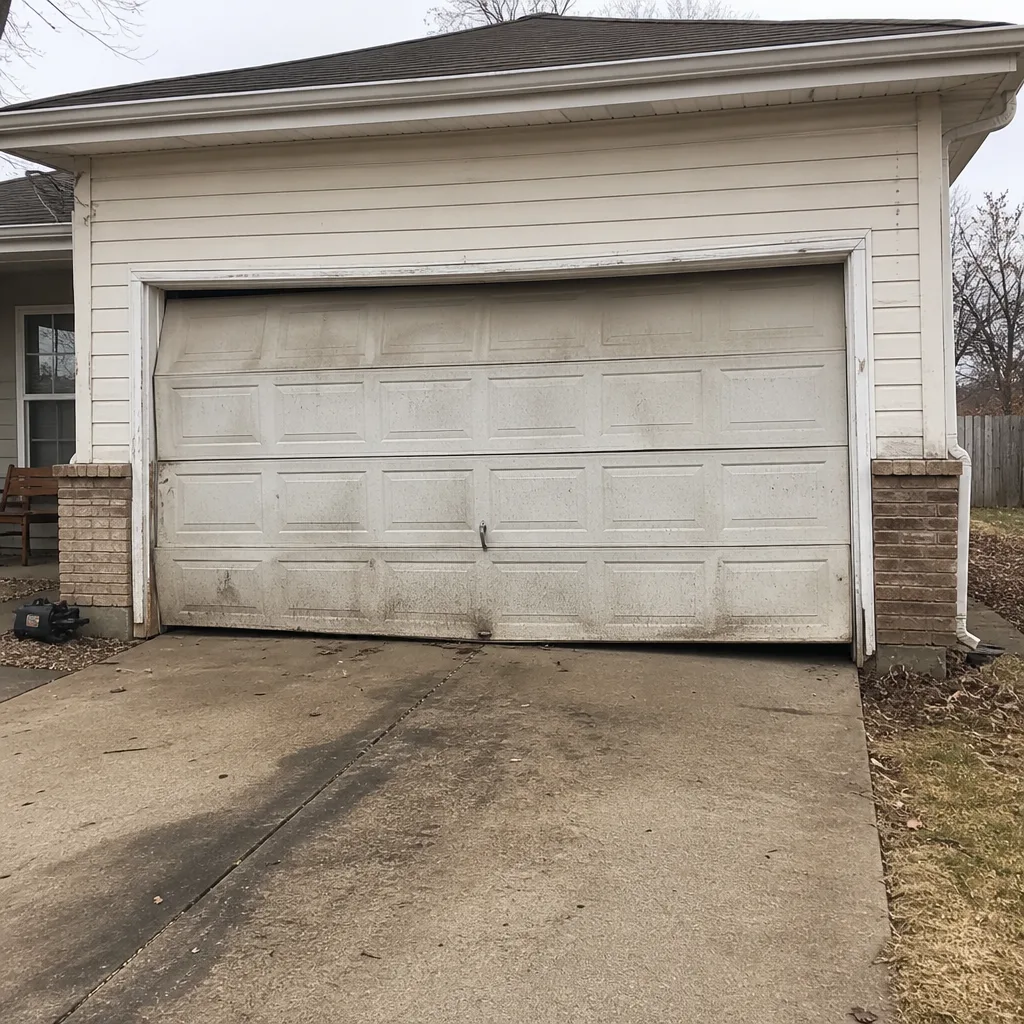 Before
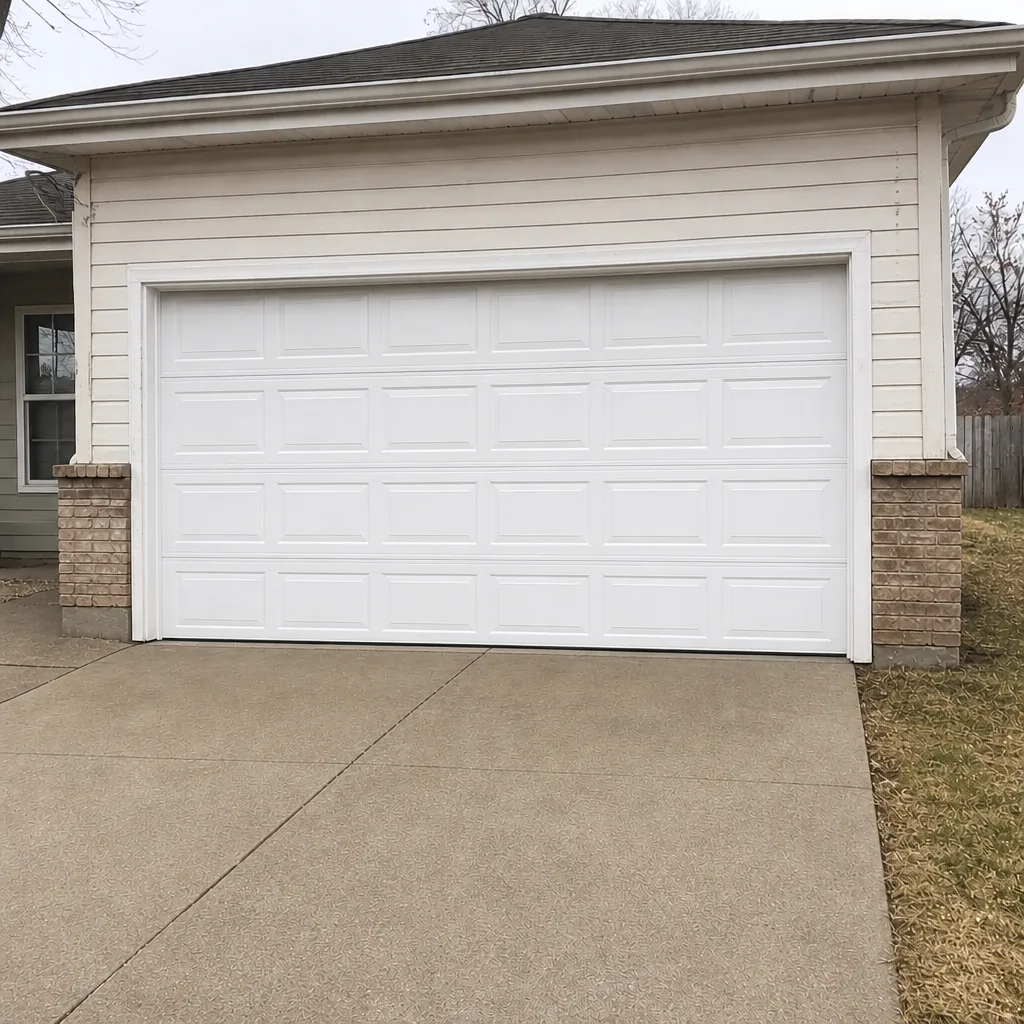 After
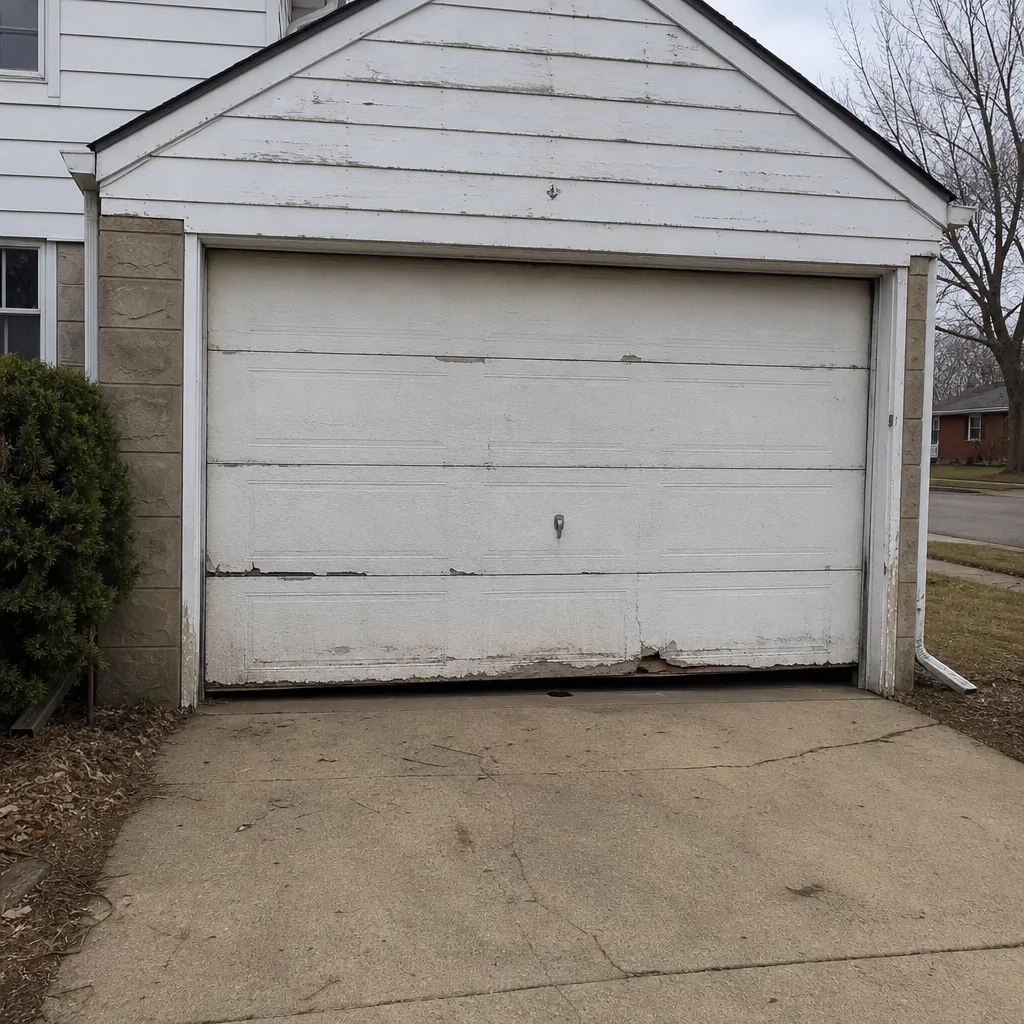 Before
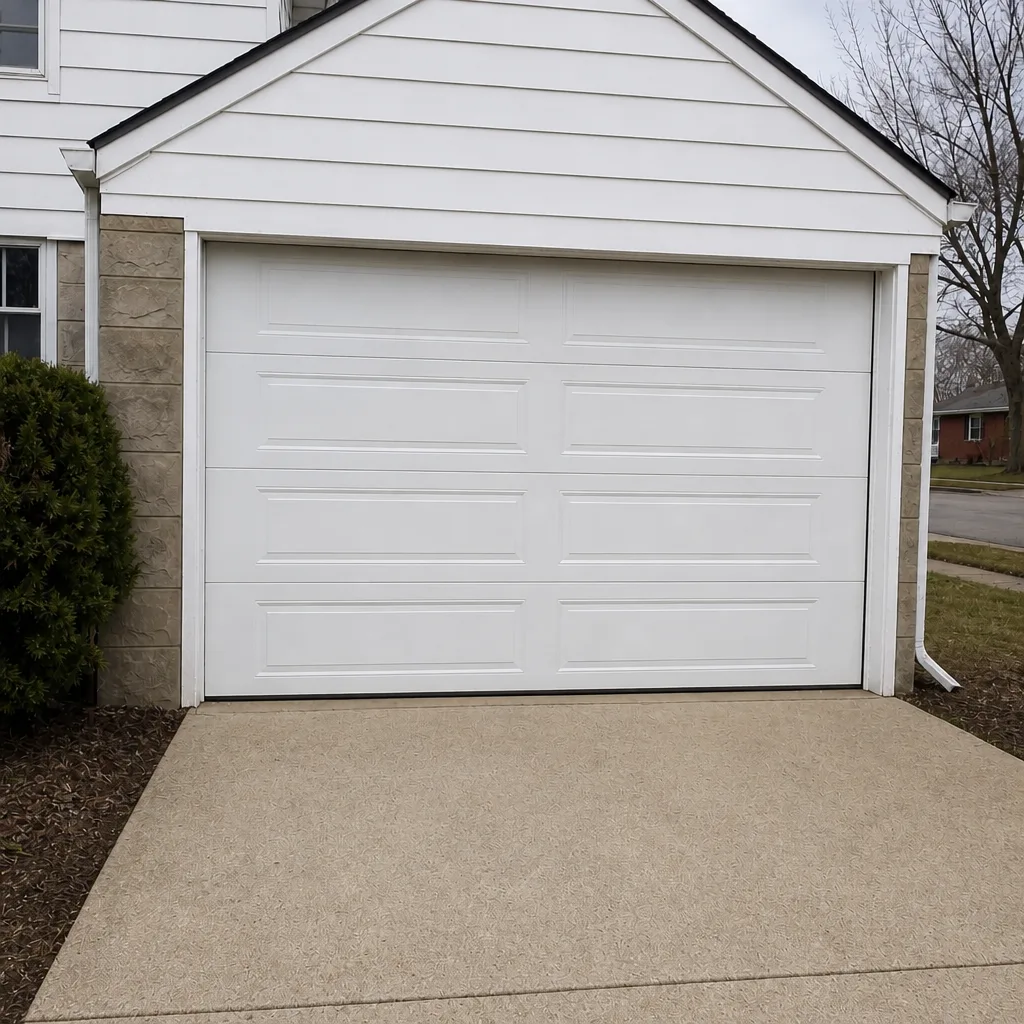 After
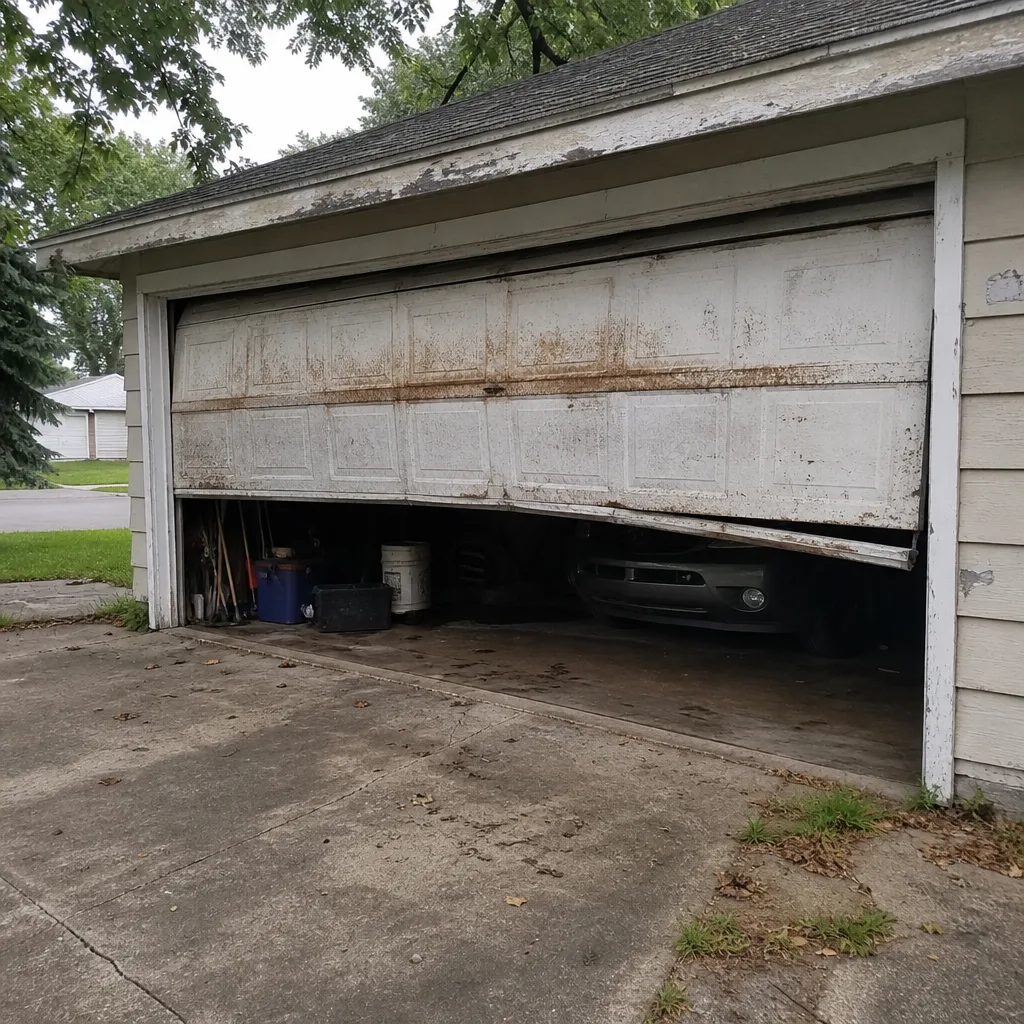 Before
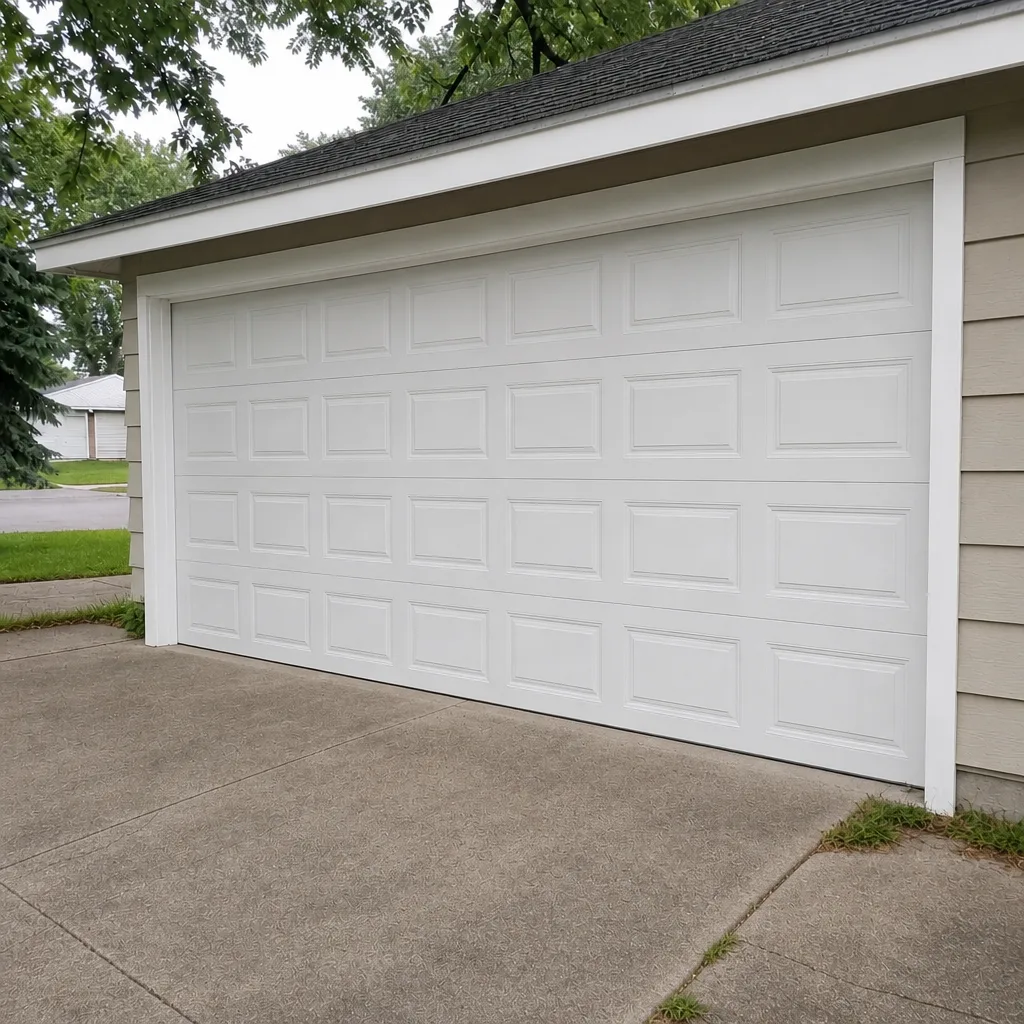 After
Frequently Asked Questions
Spring repair in Battle Creek typically runs in the range of a few hundred dollars per spring, with the exact price depending on spring type, door weight, and whether you have one spring or a matched pair. A matched pair is usually replaced together, so a pair costs about twice the price of a single spring. The written estimate sets the final price, and any good technician will itemize the parts and labor before starting. Call (844) 964-0574 for an exact quote; estimates are free.
Yes. Minnesota regulates residential contractor work at the state level, and you can check a contractor’s status through the Minnesota Department of Labor and Industry’s license lookup. Confirm the license is active and that it covers residential work, and ask for a certificate of insurance you can verify with the insurer. Any reputable contractor will provide both without pushback. If they won’t, find someone who will.
Ask directly which brands they’re trained on and whether they can diagnose your existing opener rather than only servicing what they sell. A multi-brand specialist will confirm in one sentence and often ask a follow-up about your model. A dealer who only works on one brand will hedge or steer you toward replacing it. Our technicians are trained across the major brands, including LiftMaster, Chamberlain, Genie, and Craftsman, so you won’t be turned away because of what’s already on your ceiling.
Many repair calls can be handled the same day or next, especially spring and opener failures, and emergency service covers doors that fail outside the usual schedule. Installation and full replacement work is measured and scheduled, since doors and openers are ordered to fit. Either way, you get a quoted price agreed before any work starts, so there’s no surprise once the technician is on site.
It shouldn’t, as long as the scope hasn’t changed. The estimate you approve sets the price for that scope of work. If the technician finds something unexpected once the door is apart, they should stop, explain it, and give you a revised estimate to approve before continuing. Nothing gets added to your bill without your agreement. That’s the standard, and it’s worth saying out loud when you hire.
Sometimes, yes. A door that’s bent, badly rusted, or has failing panels may cost more to repair than to replace, and a very old door with a tired opener can be a case for replacement. But a good technician diagnoses first and recommends repair whenever repair is the right call. Ask the question directly: “Is this the real cause, or is this what you always recommend?” A specialist will take that question seriously and give you a straight answer.
The Bottom Line
Hiring a garage door contractor in Battle Creek comes down to three moves. First, ask the three filter questions early: the spring spec, the opener brand, and what would actually need replacing versus adjusting. Second, verify the Minnesota license and insurance yourself through the state database before anyone touches the door. Third, insist on a written, itemized estimate with the price agreed before work starts. A good technician will welcome all three. A guesser will dodge them. Use those questions to filter your shortlist, and the door you end up with will be repaired correctly by someone who knew what they were looking at.
Whether you’re dealing with a broken spring, a stubborn opener, or a door that’s ready to be replaced, we’re one call away. Call (844) 964-0574 for a free estimate and clear answers about your door.
About This Guide
Written by the team at Garage Door Repair Battle Creek. Our technicians have up to 9 years of experience, and we work with the major brands, including LiftMaster, Chamberlain, Genie, Clopay, Amarr, Wayne Dalton, Craftsman, and Raynor.