Last updated November 21, 2026
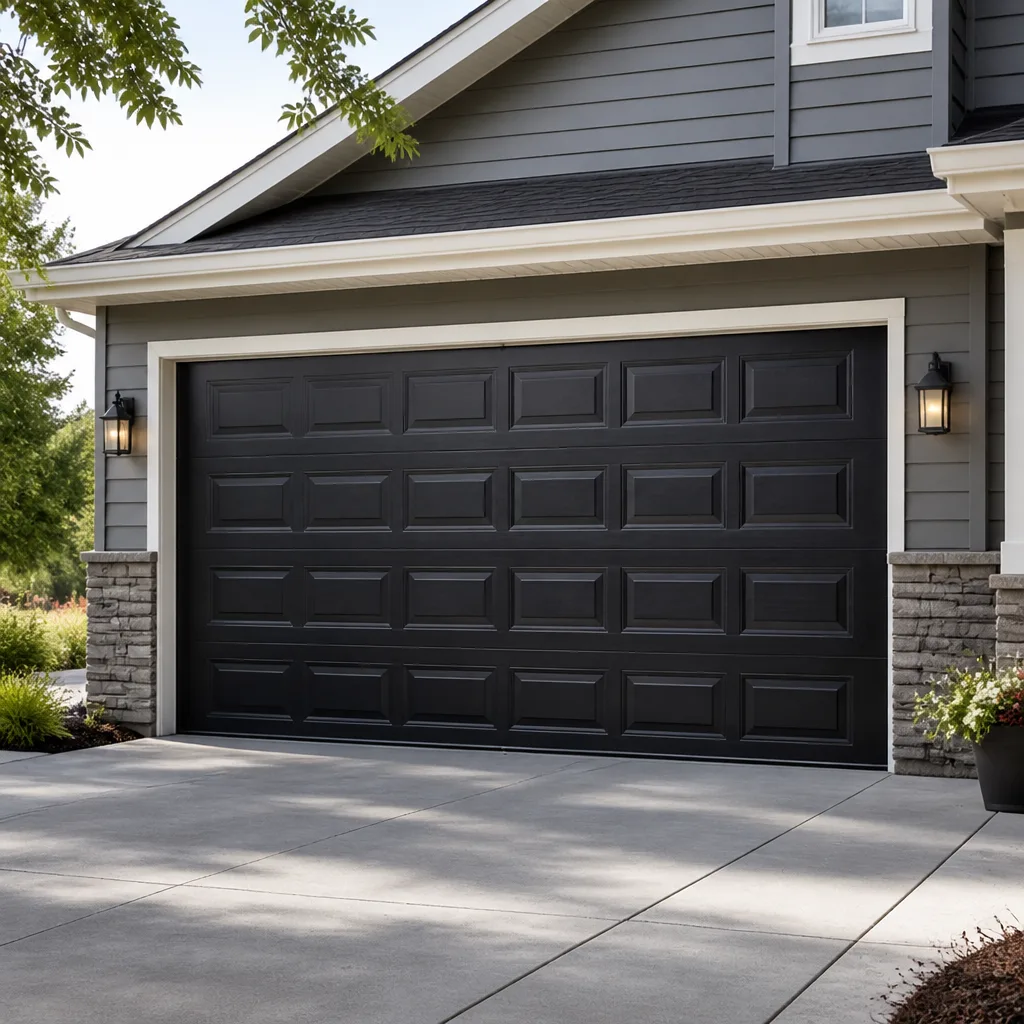 Raised-panel steel
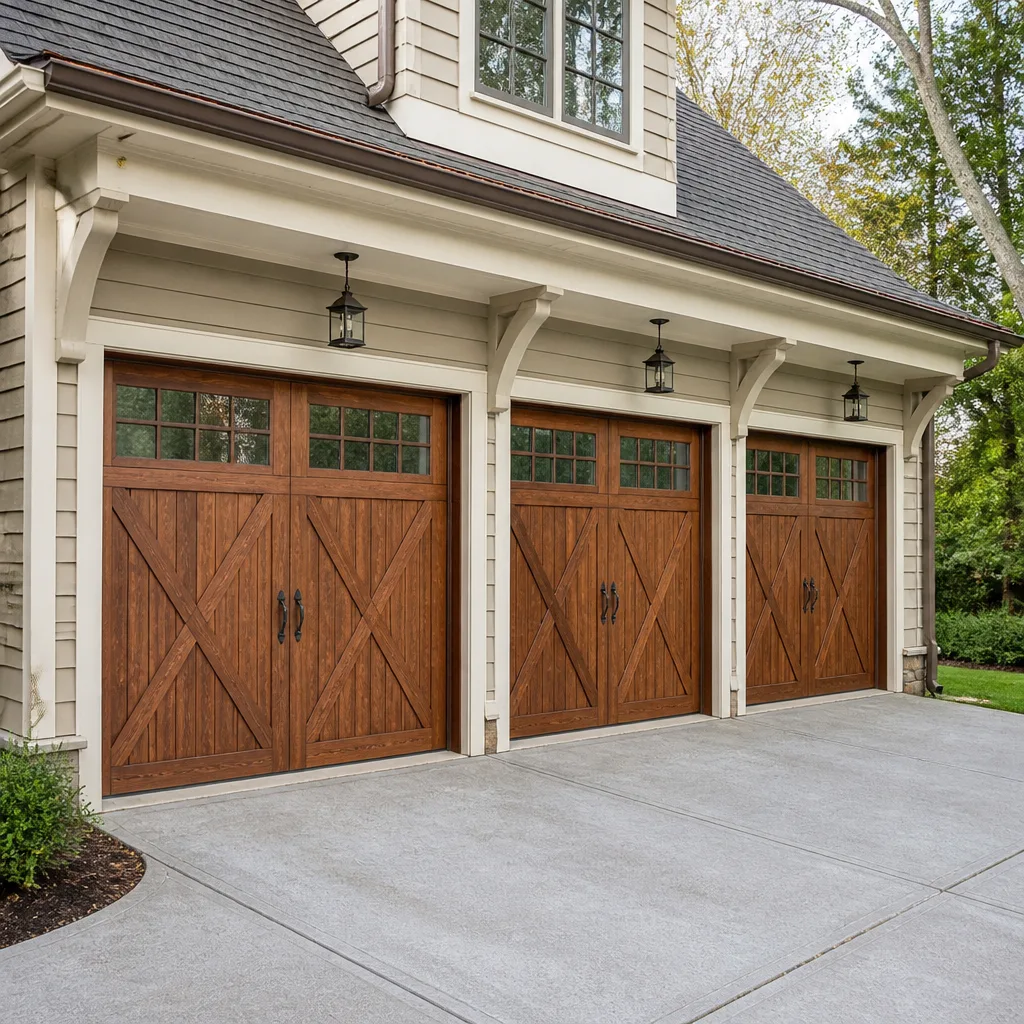 Carriage house
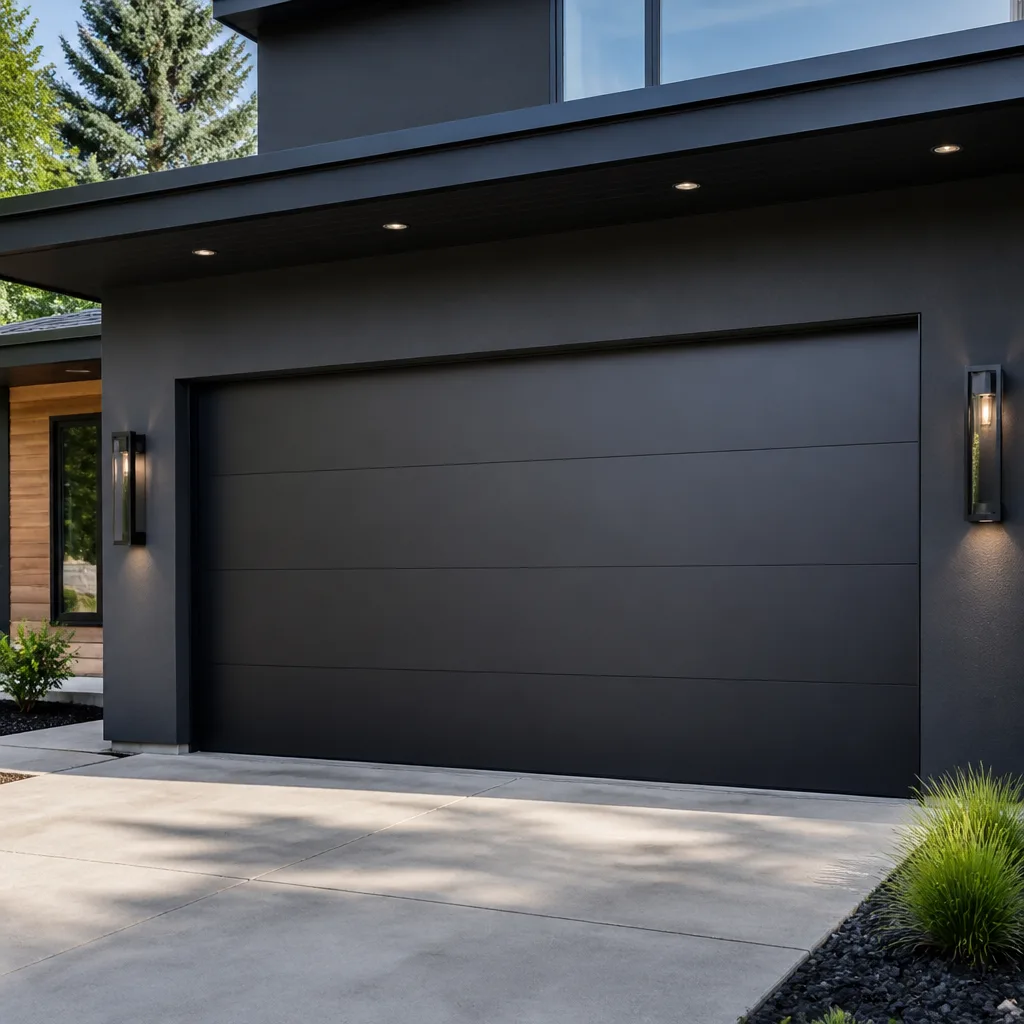 Modern flush
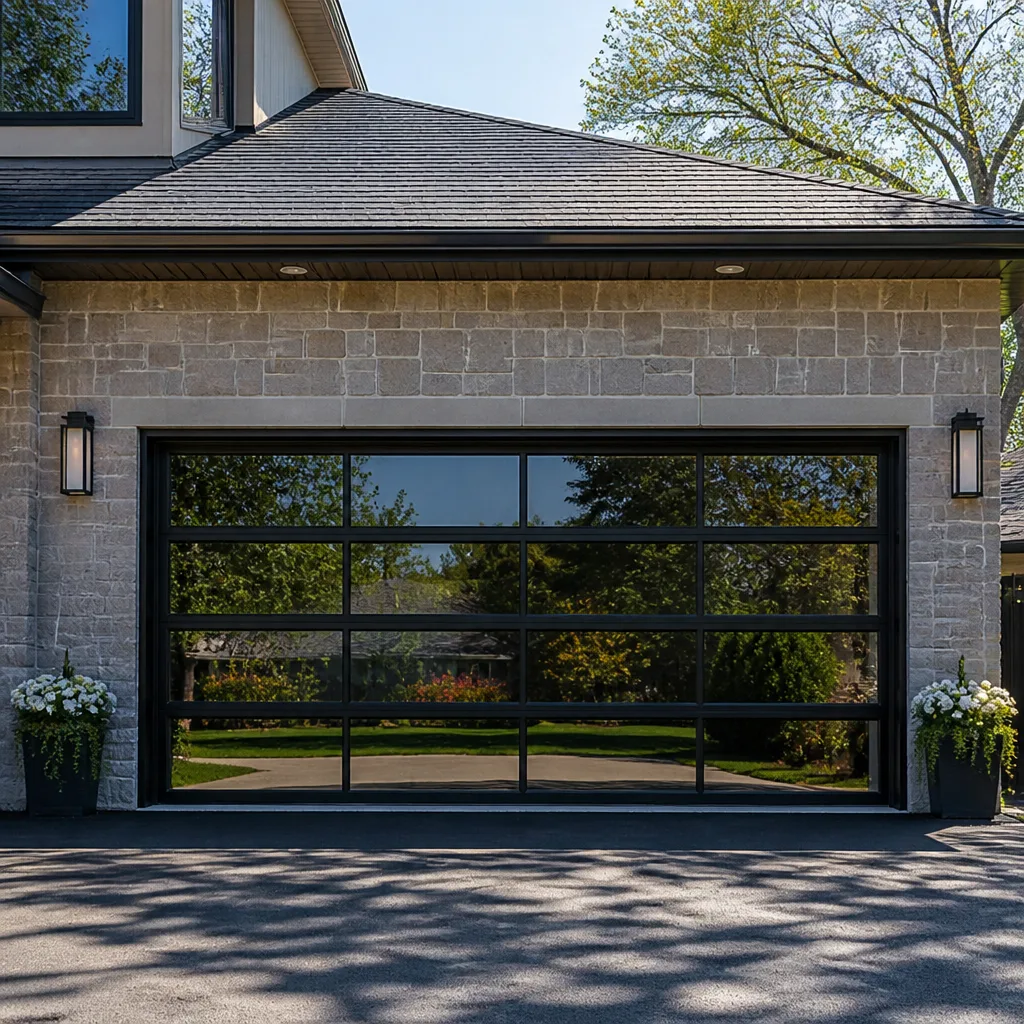 Full-view glass
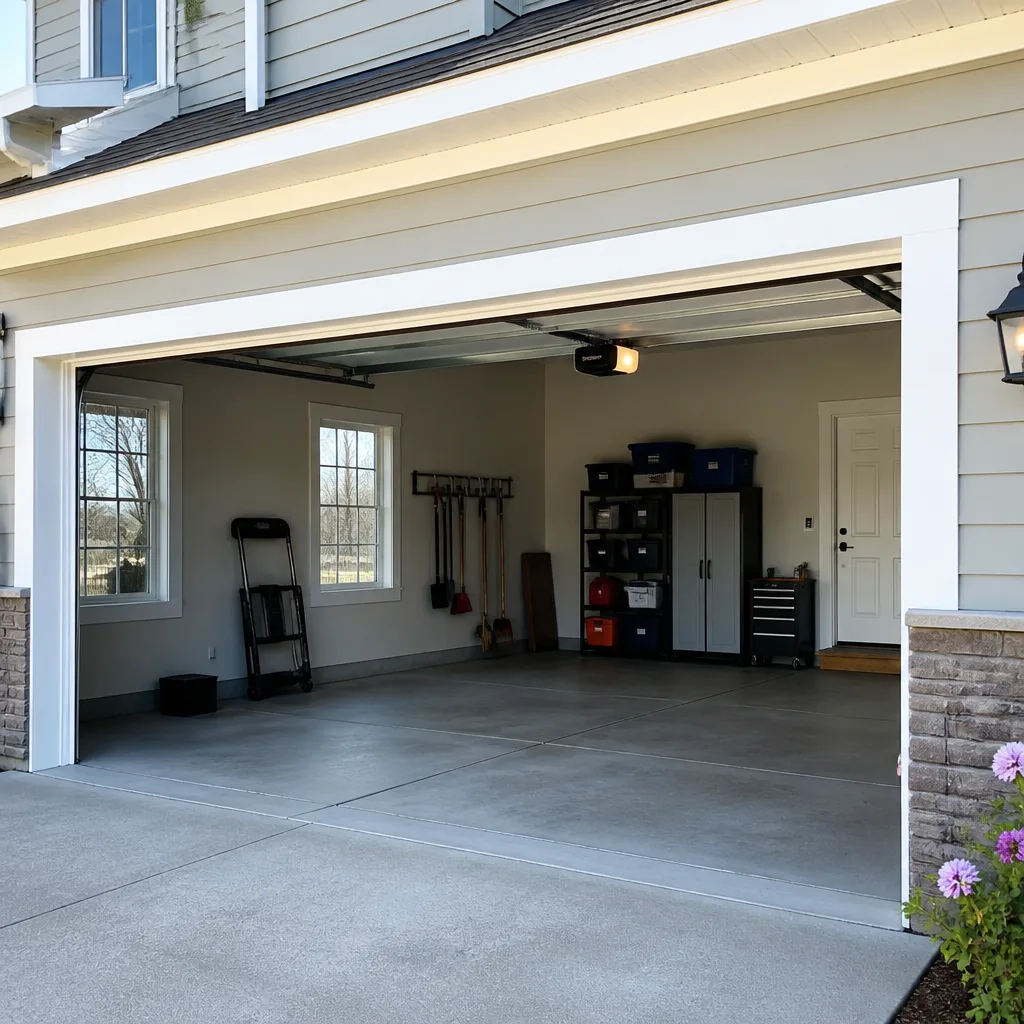 LiftMaster openers
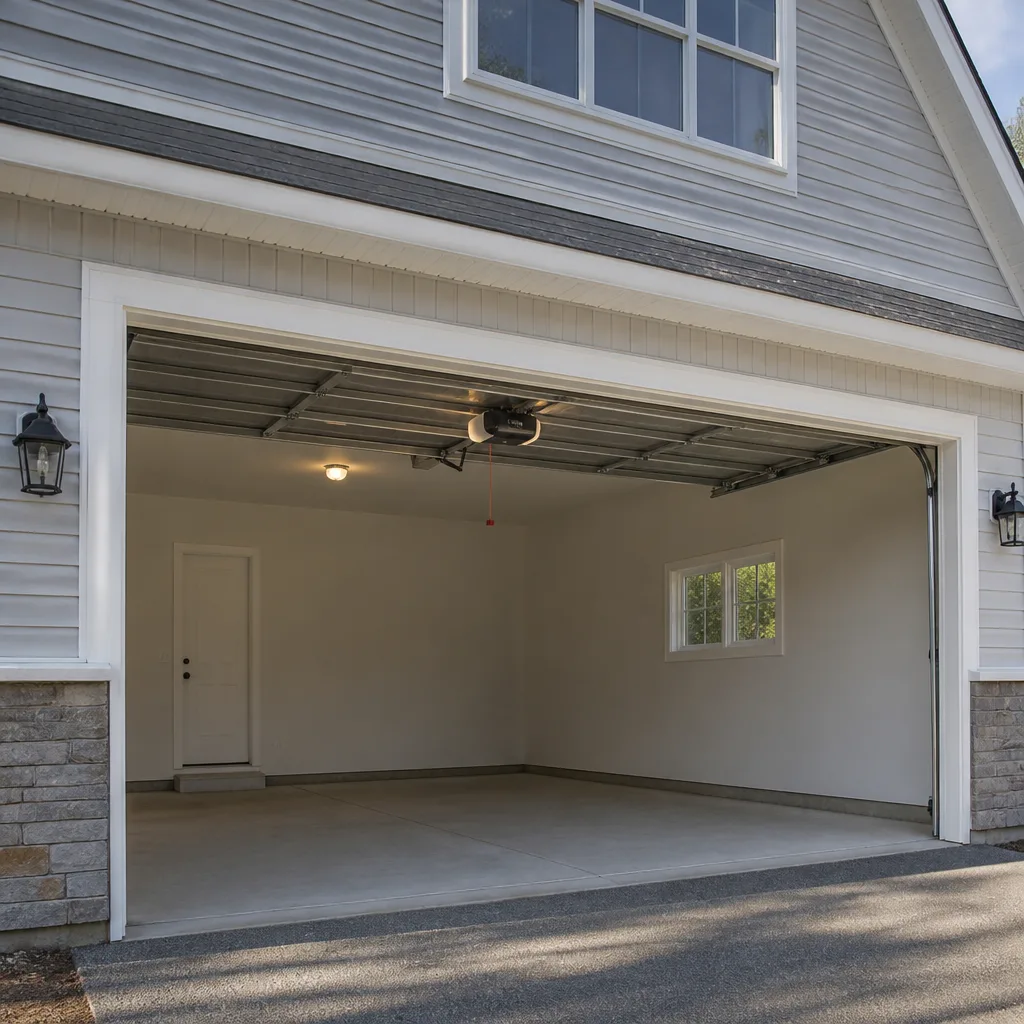 Chamberlain openers
Full 25-point door and opener safety check with every visit - springs, cables, rollers, tracks, and your LiftMaster or Chamberlain opener included
You get a price before we start. It does not change when the pro arrives.
Get your free estimateSeasonal Garage Door Care for Battle Creek: Year-Round Homeowner’s Guide
Most homeowners assume winter cold is what breaks a garage door spring. It isn’t. What breaks it is the day before the cold arrives, when nobody thought to look at the door. Springs that are already close to the end of their service life fail at a far higher rate once temperatures drop below 20°F, because cold metal loses flexibility and the tension that felt fine in September turns brittle in November. That’s why the single most useful thing you can do for your door in Battle Creek happens in October, not January. This guide covers the two transition periods that actually do damage here – freeze-up in late fall and thaw stress in early spring – and shows you how the milder months are best used as maintenance windows. You’ll get a month-by-month task calendar tuned to Battle Creek’s real freeze dates.
Quick Answer
Seasonal garage door care in Battle Creek comes down to two dates: get your door tuned, sealed, and tensioned before the first hard freeze in late October, and inspect seals, tracks, and balance before the March thaw cycle starts. Everything else – lubrication, opener checks, hardware tightening – fits around those two anchors. The fall protocol matters most, because a door that’s prepared for winter fails far less often than one that isn’t.
Styles & brands we work with
- Raised-panel steel
- Carriage house
- Modern flush
- Full-view glass
- LiftMaster openers
- Chamberlain openers
Table of Contents
- Why the Two Transition Periods Matter More Than the Seasons
- The Fall Pre-Freeze Protocol: What to Do Before 20°F
- Thaw Stress: Why March Brings the Second Wave of Failures
- Summer Maintenance: Heat, Humidity, and Opener Electronics
- Has Your Door “Set” Over Winter? How to Check
- The Battle Creek Month-by-Month Task Calendar
- What You Should Never Try Yourself
- Common Mistakes to Avoid
Why the Two Transition Periods Matter More Than the Seasons
Garage doors don’t fail evenly across the year. In our experience across Battle Creek, failures cluster into two narrow windows: the week or two after the first sustained cold snap in late October and early November, and the stretch in March when daytime temperatures climb above freezing and nighttime temps drop back below it. The four months in between are mostly quiet. That’s the pattern a lot of homeowners miss, because they think in terms of “winter is hard on the door” rather than “the transition into and out of winter is hard on the door.”
The reason is simple physics. High-tension steel springs are designed to hold a set amount of force within a normal operating temperature range. When the ambient temperature falls below that range, the metal contracts slightly and loses some of its elasticity. If a spring was already near the end of its cycle life, that extra stress is enough to push it over. On the thaw side, water that got into the bottom seal or the track during freeze-up expands as it refreezes overnight, and the repeated freeze-thaw cycle slowly works seals loose and shifts track alignment.
Here in Battle Creek, the transition windows are compressed. Our first sustained freeze usually lands somewhere in the last ten days of October. Our last hard freeze is often in early April. That gives the door roughly five months in a cold-stressed state and two short windows on either side to prepare for it.
- Freeze-up window (mid-to-late October): the door needs tuning, sealing, and tension checking before temperatures drop below 20°F.
- Deep winter (December through February): mostly monitoring, with the biggest risk being snow and ice buildup along the bottom seal.
- Thaw window (March into early April): the door needs its bottom seal, tracks, and balance checked after months of freeze-thaw cycling.
- Mild months (May through September): the best time for full inspections, lubrication, and any replacement or upgrade work.
Treat this guide as a calendar, not a checklist you do all at once. The tasks that matter in October are different from the tasks that matter in March, and mixing them up wastes your time and can miss the failure window entirely.
The Fall Pre-Freeze Protocol: What to Do Before 20°F
The fall protocol has one goal: get the door into its cold-weather configuration before the first hard freeze, so that the winter months are low-risk. In Battle Creek, that means aiming to complete these tasks by the third week of October. If you wait until the first hard freeze has already hit, you’ve missed the window that matters most.
Here’s the order that works, starting with the simplest tasks and moving to the ones that require more attention:
- Lubricate the moving parts. Tracks, rollers, hinges, and the torsion or extension spring ends all get a proper garage door lubricant, not WD-40 and not grease. Cold-thickened grease on a torsion spring is a common cause of stiff operation in January.
- Check the bottom seal. Run your hand along the full width of the bottom seal and look for cracks, hard spots, or gaps at the corners. A seal that’s already stiff in October will be functionally useless by December.
- Inspect the weatherstripping. The strips along the sides and top of the door frame keep wind and snow out. Any spot that’s peeling, cracked, or compressed flat needs replacing before winter wind gets behind it.
- Test the balance of the door. Disconnect the opener (most openers have a manual release pull), lift the door halfway, and let go. A properly balanced door should hold its position. A door that slams down or drops fast is telling you the spring tension is off and needs professional adjustment before winter stress hits.
- Look at the spring tension itself. This is the task most homeowners can’t safely do themselves, and it’s the one that most directly determines whether the door survives the freeze. A trained technician can check and adjust the torsion or extension spring setup in minutes. High-tension springs are storing enough energy to cause serious injury if handled wrong, so this is not a job for a ladder and a YouTube video.
- Run the auto-reverse test. Place a 2×4 flat on the ground under the door and close it. The door should reverse on contact. If it doesn’t, the safety system needs attention before winter.
- Clear the door’s path. Look at the tracks and the concrete threshold for anything that could catch ice buildup. A small imperfection in the bottom seal or a bent track edge becomes a much bigger problem when water freezes in it.
If your door is a Clopay, Amarr, or Wayne Dalton unit with an insulated panel, pay particular attention to the bottom section. Insulated doors hold up well to cold, but the seal and the steel at the very bottom still take the freeze-thaw hit. A quick visual check of that bottom panel for any signs of rust or separation is worth the two minutes.
This is also the right time of year to have the full system looked at. A pre-winter tune-up catches problems while they’re still cheap to fix, and it means you’re not the person calling for Garage Door Repair Battle Creek service in the middle of a January cold snap. If you’d rather have a professional handle the tension and balance checks, that’s what garage door repair visits are for, and the estimate is free.
Thaw Stress: Why March Brings the Second Wave of Failures
March is the second-highest failure window of the year, and the failures are different from the fall ones. Instead of springs breaking, the usual March problems are seal failure, track misalignment, and opener strain. The mechanism is the freeze-thaw cycle. It works like this: daytime meltwater seeps into tiny gaps in the bottom seal, the track channel, or the hardware, then refreezes overnight. Water expands roughly 9% when it freezes, and that expansion is enough to slowly push seals out of position and bend tracks a fraction of an inch.
You won’t notice a fraction of an inch on a warm day. You’ll notice it on a cold morning when the door binds, or when it travels up and stops crooked, or when the opener starts straining.
What to check in Battle Creek in March, once daytime temps are consistently above freezing:
- Bottom seal integrity: look for split rubber, gaps at the corners, or seal sections that have pulled away from the door bottom. Any of those means meltwater got in during the winter.
- Track alignment: stand inside the garage and look up at each track as you open and close the door. The door should slide evenly. Any wobble or scraping sound means a track has shifted.
- Roller condition: rollers that roll smoothly in fall can develop flat spots after a winter sitting in one position on a cold track. Look for flat spots or obvious wear.
- Opener strain: listen to the opener during a full open and close cycle. Grinding, hesitation, or a door that reverses mid-travel are signs the opener is fighting a misaligned door, which will burn out the motor if left alone. If your opener is acting up, garage door opener repair can diagnose whether the problem is the opener itself or a downstream door issue.
- Weatherstripping along the frame: the strips that seal the sides and top against wind often take the freeze-thaw hit too.
- Concrete threshold: check for cracks that grew over the winter, since a cracked threshold lets meltwater pool under the seal.
The good news about March is that it’s a genuinely good month to fix problems, because you’re catching them before summer heat and humidity add their own layer of stress. A door that gets its seals replaced and tracks realigned in March will usually run smoothly through the summer and into the following fall.
Summer Maintenance: Heat, Humidity, and Opener Electronics
Summer in Battle Creek is the maintenance window, not a crisis period. Heat doesn’t break springs the way cold does. What summer does do is stress the electronics inside the opener and the rubber components that seal the door. Two things are worth watching.
First, humidity and heat are hard on opener circuit boards. Modern openers – and this applies to LiftMaster, Chamberlain, Genie, and Craftsman units alike – have control boards that are sensitive to moisture and to heat buildup inside the housing. An attached garage that sits in full afternoon sun can push temperatures well above ambient, and a control board that’s already marginal can fail in that heat. If your opener has been doing anything odd – random lights, refusing to respond to the remote, or losing its travel limits – summer is a good time to get it looked at, because these early symptoms often get worse before they get better.
Second, summer is the best time for the maintenance tasks that require the door to be fully opened and closed repeatedly. That includes:
- A full hardware tightening pass – bolts on the hinges, brackets, and the opener rail come loose over time, and a warm day makes this work easier.
- Roller replacement if the rollers have been squeaking or have visible flat spots.
- Full lubrication pass on the tracks, rollers, hinges, and spring ends.
- Visual inspection of the panels for any denting, cracking, or separation at the bottom.
- Opener safety test – the same auto-reverse test you did in fall.
If you’re considering a door replacement rather than repair, summer is also the practical season for garage door installation, since it doesn’t require fighting cold and doesn’t put a new installation at risk from the freeze-thaw cycle in the first few months. New installations need to settle, and spring through fall is the easiest time of year for that settling to happen smoothly.
One summer note worth adding: if your garage gets direct afternoon sun and the door faces west, check the bottom seal regularly. UV exposure degrades the rubber faster on a west-facing door than an east-facing one, and a seal that’s cracking by August will let in more cold air by October.
Has Your Door “Set” Over Winter? How to Check
A door “sets” over winter when it’s been sitting in one position for months without regular cycling. The seals compress in one spot, the rollers develop flat spots on the bottom, the springs settle into their current tension, and the tracks pick up minuscule distortions from the freeze-thaw cycle. When you start using the door normally again in spring, it may feel heavier, noisier, or slower than it did in autumn.
The question is whether that’s a passing phase or a signal that the door needs re-balancing. Here’s a simple check:
- Disconnect the opener. Pull the manual release handle so the door is under manual operation only.
- Lift the door to shoulder height and let go. A properly balanced door should stay there or rise slightly. A door that drops means the spring tension has drifted low.
- Lower the door to knee height and let go. It should not slam. A door that drops hard from knee height is a re-balance candidate.
- Open it fully by hand. It should travel smoothly with even effort. If it binds on one side, the track alignment has likely shifted over winter.
- Listen for scraping or popping. Any unusual noise during a manual open cycle is worth investigating before reconnecting the opener.
If the door fails any of these checks, get it looked at before you start using it daily. Re-balancing is a quick job when it’s caught early – usually a matter of adjusting spring tension or realigning a track – and it’s considerably less quick if a door that’s out of balance is allowed to run on an opener for another several months. The opener is doing the work of lifting a door it wasn’t designed to lift, and that wears the motor and the drive mechanism faster than any other single cause.
In Battle Creek, the right time to do this check is the first or second week of March, before the door gets back into daily use. If the door has been sitting unused through a winter of deep cold, doing this check before regular cycling starts saves you the risk of a harder failure in April.
The Battle Creek Month-by-Month Task Calendar
Here’s the seasonal calendar as it actually plays out in Battle Creek, with the tasks that matter most in each month. This isn’t a list to do every task every month – it’s a schedule for when each task is most effective.
- January: monitor only. Watch for snow and ice buildup along the bottom seal and clear it with a broom before it packs in. Don’t try to force a frozen door open.
- February: monitoring continues. If the door has been straining or making new noises, note them and wait for March for the inspection.
- March: the big thaw inspection. Bottom seal, tracks, rollers, weatherstripping, and a full balance check. This is the most important inspection of the spring.
- April: follow up on anything March flagged. Replace seals, realign tracks, and get any opener diagnostics done before summer heat arrives.
- May: full summer prep. Hardware tightening, roller replacement if needed, and a complete lubrication pass.
- June: opener health check. Test the auto-reverse, listen for early signs of control board or motor strain.
- July: monitor the west-facing door especially – check the bottom seal for UV degradation.
- August: same as July, plus any deferred maintenance from spring. This is a good month for any non-urgent repairs.
- September: begin fall prep. Inspect the door for any summer-related wear, tighten hardware, and start planning the pre-freeze service.
- October: the critical month. Full pre-freeze protocol – lubrication, seal check, weatherstripping, balance check, and spring tension adjustment before the first hard freeze.
- November: watch for the first cold-stressed failures. If the door starts making new noises after the first cold snap, get it looked at promptly.
- December: monitor and keep snow cleared from the door path. Don’t do anything that involves adjusting the springs in cold.
If you have a Raynor or Wayne Dalton door, the same calendar applies, but pay a bit more attention to the spring tension check in October. Some spring designs on those systems are especially sensitive to temperature swings, and a slightly under-tensioned setup that felt fine in September can feel noticeably sluggish in the first week of November.
What You Should Never Try Yourself
We’d rather you know this clearly than learn it the hard way. There are parts of a garage door that store enough energy to cause serious injury, and those parts need a trained technician. High-tension torsion and extension springs are the main ones. They’re under enough load to break bones if they fail while you’re working on them, and even a spring that looks “just slightly off” can be dangerous to adjust without the right tools and knowledge.
The task list below is what you should leave to a technician:
- Torsion spring adjustment or replacement: this is the most dangerous single task on a garage door. The spring is wound to hundreds of pounds of torque, and there is no way to safely adjust it without a proper winding bar and the training to use it.
- Extension spring replacement: less dangerous than torsion but still high-energy. A failing extension spring can whip and cause serious injury.
- Track realignment: a track that’s bent out of alignment can cause the door to come off its rollers, and a door that comes off the tracks is heavy and unpredictable.
- Cable replacement: the lift cables are under the full weight of the door and can snap without warning.
- Opener electrical work: wiring the opener to the house electrical system is a job for someone trained to do it safely.
What you can safely do yourself is the routine maintenance: lubrication, visual inspection, tightening accessible hardware with a wrench, testing the auto-reverse and safety sensors, and keeping the door path clear of ice and debris. Everything else is worth a call.
Common Mistakes to Avoid
- Waiting until the first hard freeze to prep the door. Once temperatures are below 20°F, the window for safe tension adjustment has largely closed, and a door that needed attention in October becomes a much bigger problem in November.
- Using WD-40 or grease on the springs and tracks. WD-40 is a solvent, not a lubricant. Grease thickens in cold weather and makes the door harder to operate in winter. A proper garage door lubricant is what you want.
- Ignoring the bottom seal through the winter. This is the part that takes the most freeze-thaw damage in Battle Creek, and a cracked seal is the entry point for the water that damages the components above it.
- Assuming the opener is the problem when it’s really the door. An opener that strains and stutters is usually fighting a door that’s out of balance or off track. Fixing the door often fixes the opener without needing to replace the opener.
- Running the door on a bent track because it still opens. A bent track eventually causes the door to jump off its rollers, and that’s a much bigger repair than a realignment.
- Skipping the spring check in October because the door “seems fine.” Springs don’t usually fail gradually. They hold their tension until they don’t, and the check is quick and inexpensive relative to the repair.
- Only servicing the door when something visibly breaks. The most expensive garage door failures are the ones that were avoidable with a fall tune-up and a spring inspection.
See the difference
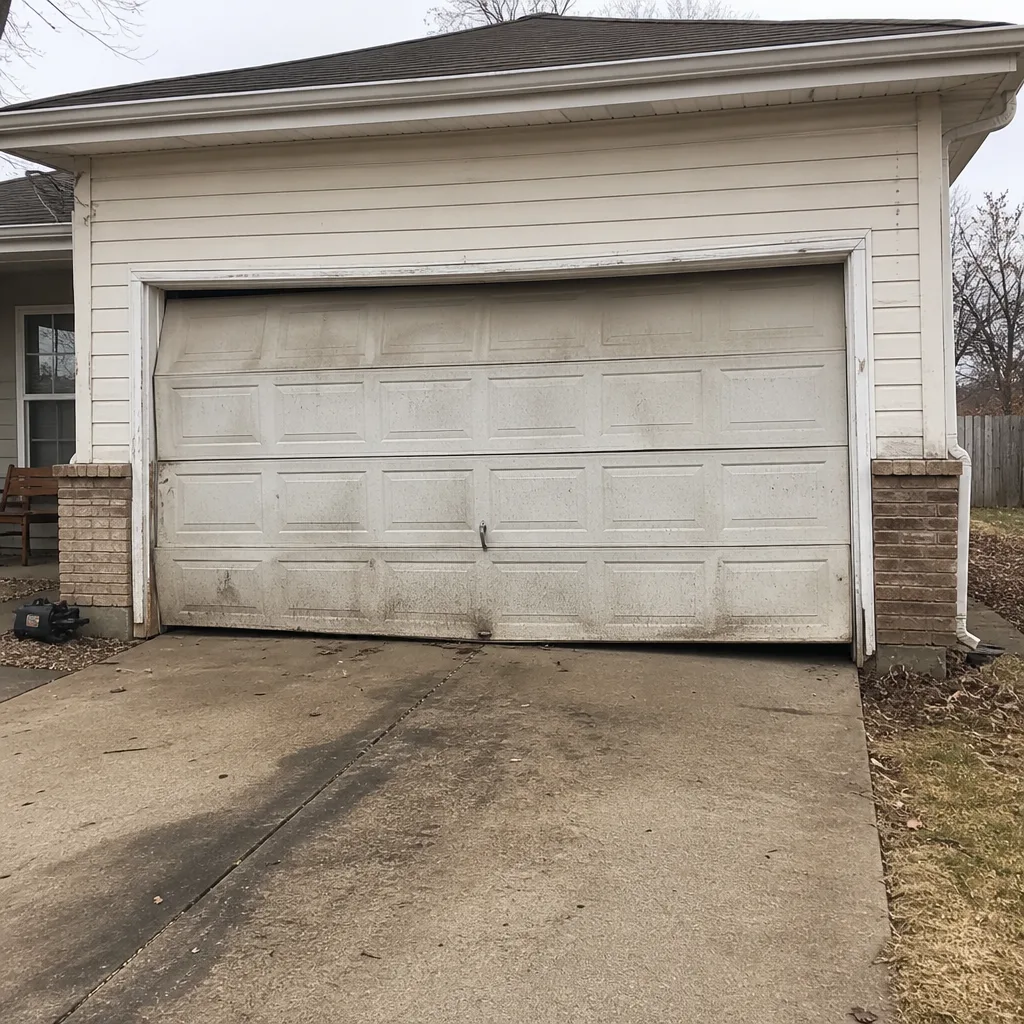 Before
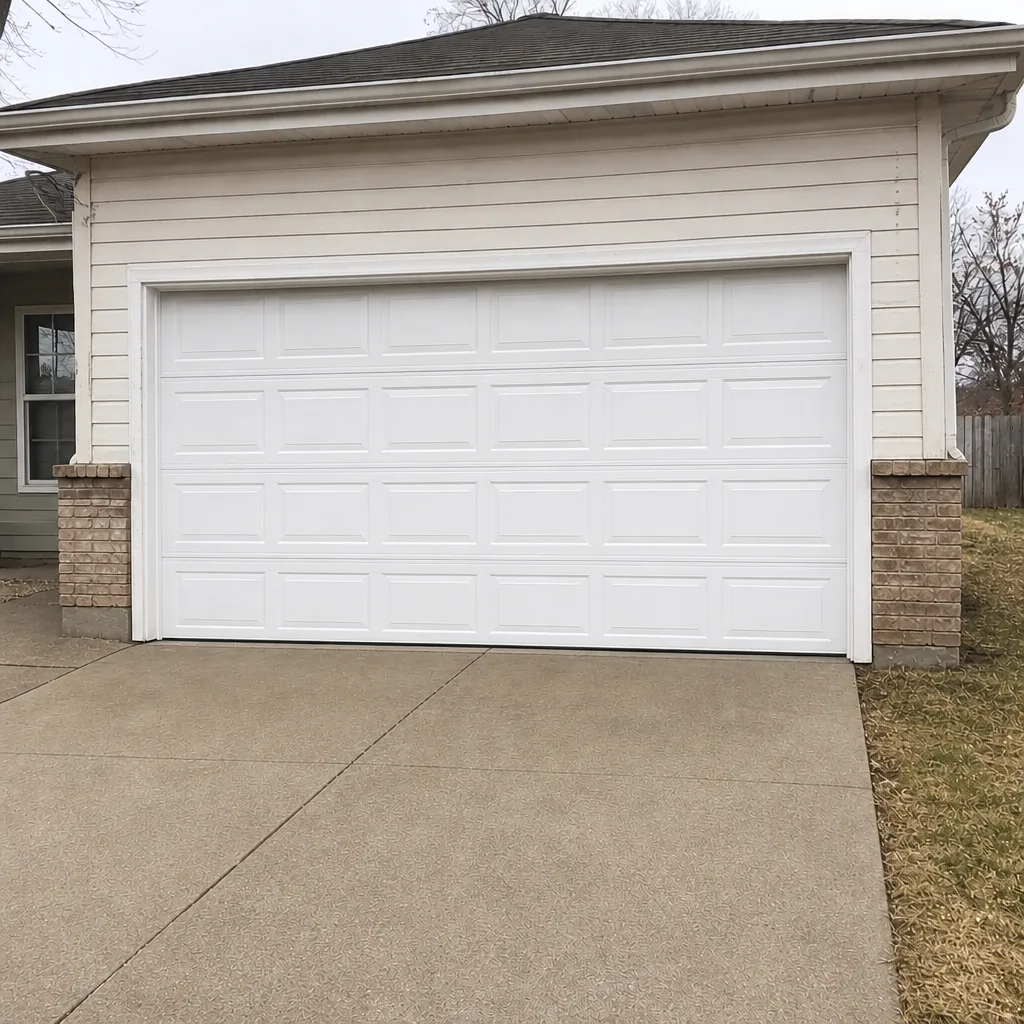 After
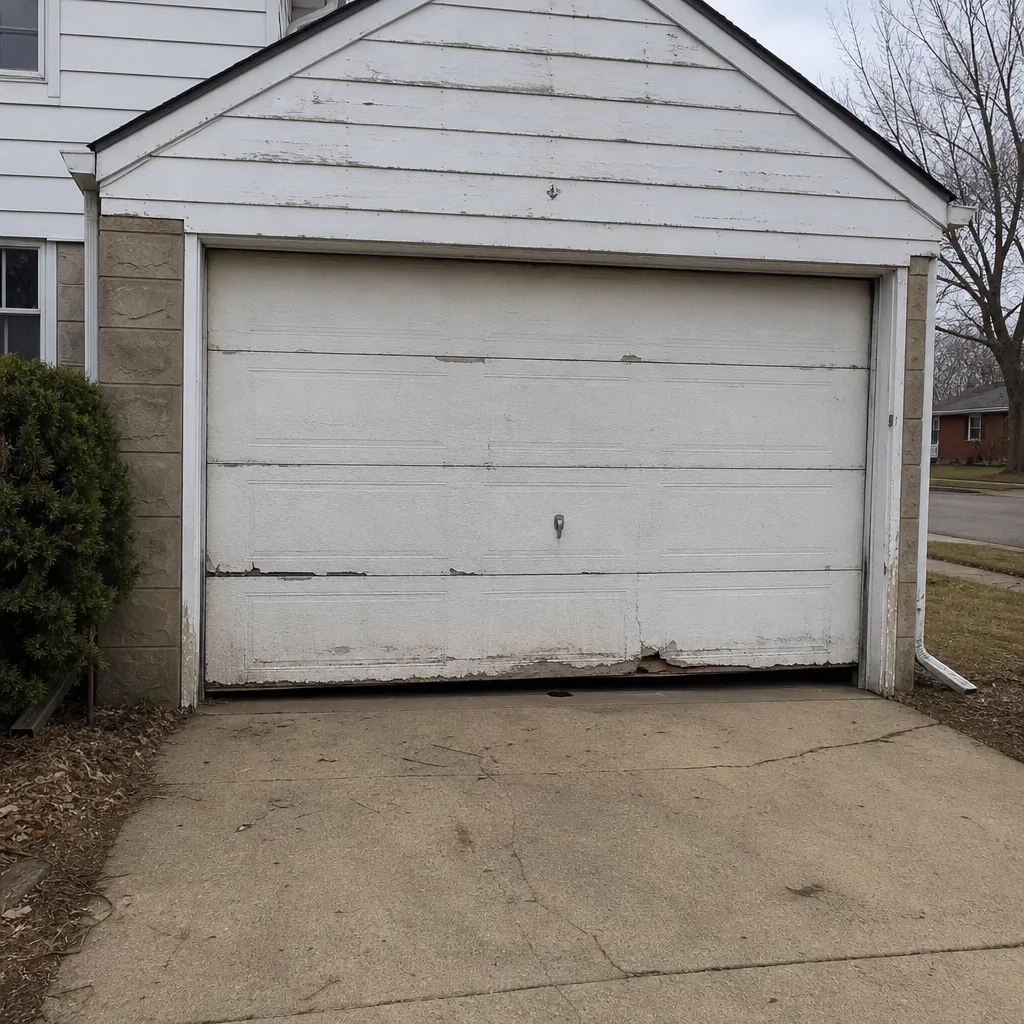 Before
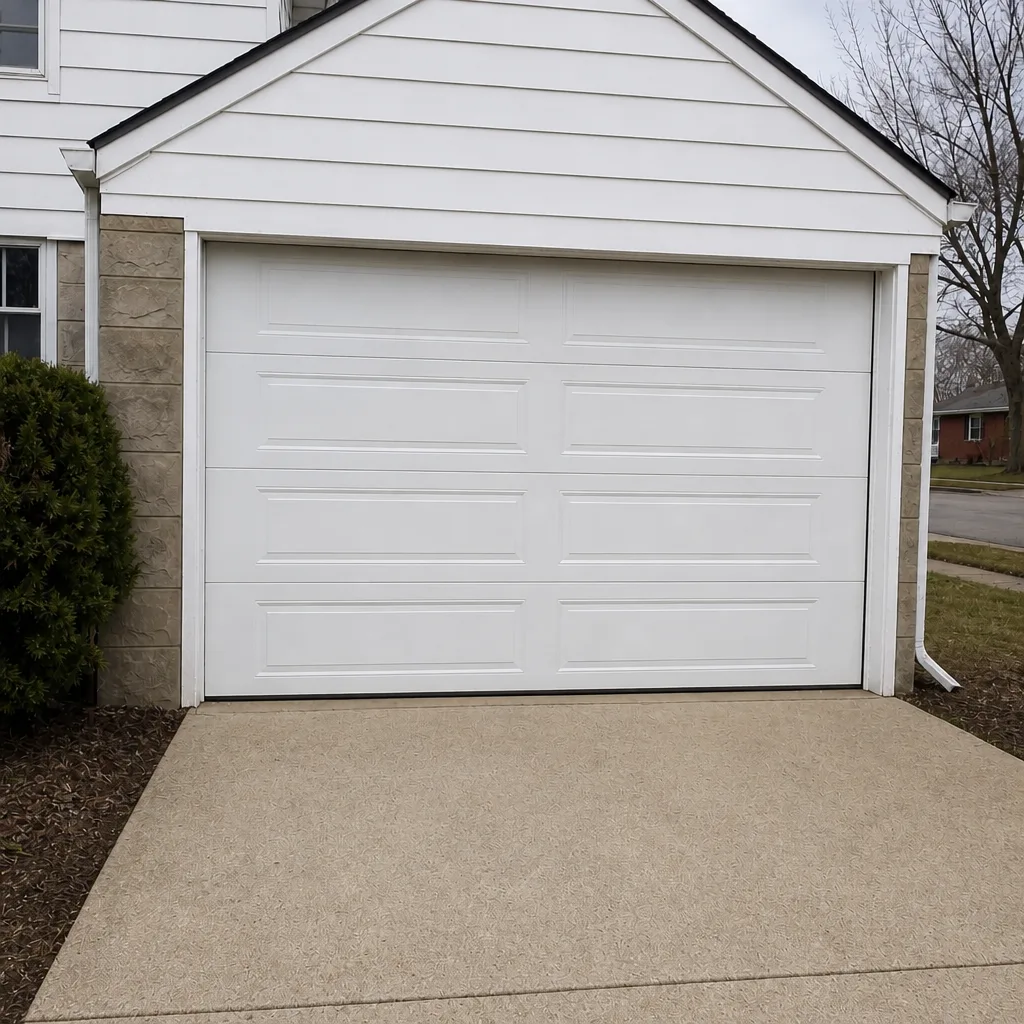 After
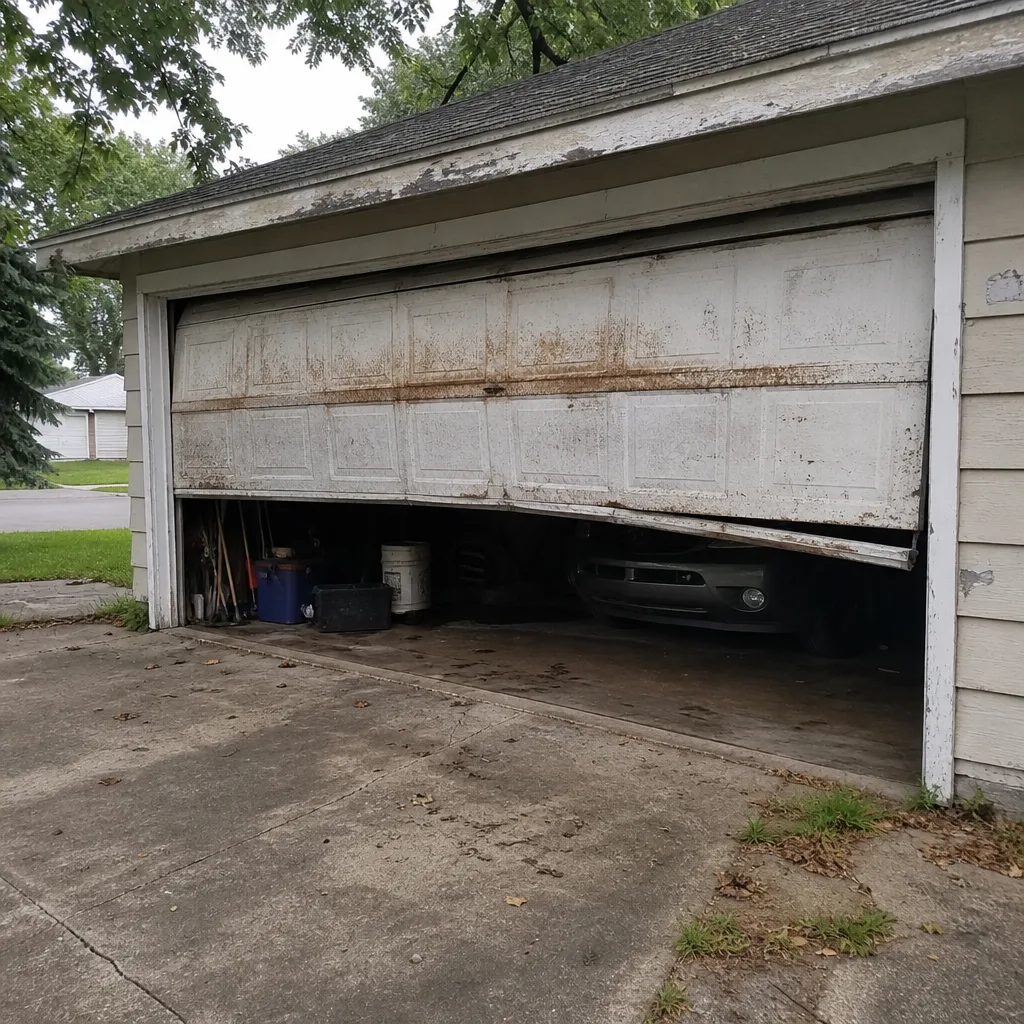 Before
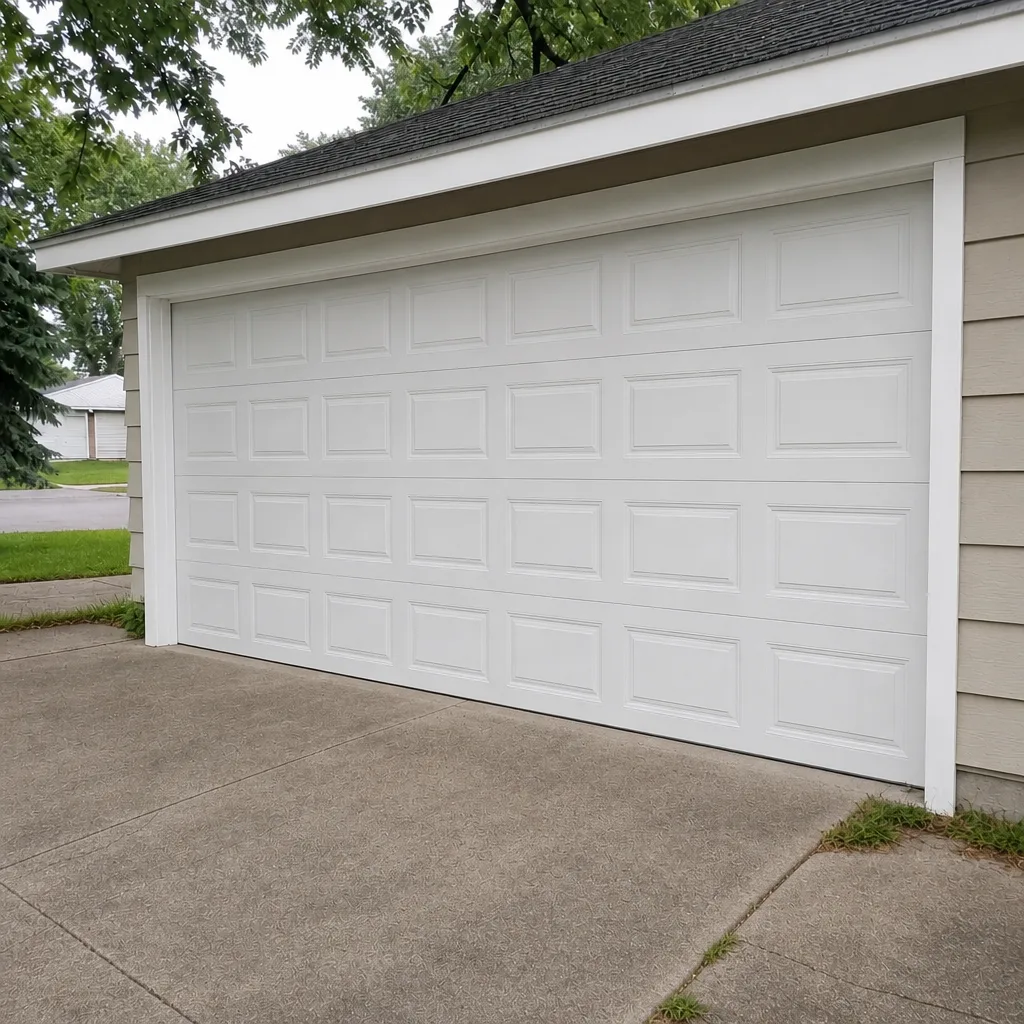 After
When to Call a Professional
Call a professional when the door has been making new noises since the last cold snap, when it binds or wobbles during operation, when the spring check shows low tension, whenever a spring is visibly broken, or when the opener is straining and you can’t identify whether the cause is the opener or the door. Call also when the bottom seal is cracked or the weatherstripping is peeling, since those are the most common entry points for freeze-thaw damage in Battle Creek. And call when you’re simply not sure – a free estimate is a better use of an hour than a repair you regret. Garage Door Repair Battle Creek offers free estimates in Battle Creek – call (844) 964-0574.
Our technicians have up to 9 years of experience and are certified to service eight major brands, including LiftMaster, Chamberlain, Genie, Clopay, Amarr, Wayne Dalton, Craftsman, and Raynor. Whatever the make and model of your door, we can diagnose and repair it without referral. Every price is quoted and agreed before any work starts, so you know the cost before anyone touches the door.
Frequently Asked Questions
Twice a year is the practical answer: once in October before the first hard freeze, and once in March after the thaw cycle. The October service is the more important of the two, because it’s the one that prevents cold-weather failures. If you only do one service visit a year, make it the fall one. Call (844) 964-0574 to schedule a free estimate for either visit.
Cold metal loses flexibility, and a spring that’s near the end of its service life is much closer to failing when temperatures drop below 20°F. This is why the October tension check is the single most valuable task on the calendar. A spring that’s healthy in September can fail in November if it’s already close to the end of its cycle life, and the tension check catches that before it happens.
No. Torsion and extension springs store enough energy to cause serious injury if handled without training and the right tools, and this is one repair that should always go to a trained technician. We offer spring repair as a core service and would rather do the adjustment once than have you risk injury trying it yourself. Call (844) 964-0574 for a free estimate.
Start with the bottom seal, the tracks, and the rollers, then do a manual balance check with the opener disconnected. The freeze-thaw cycle over winter is what causes most March problems, and catching them before the door gets back into daily use means a much simpler repair. If you’d rather have us do the March check, we offer free estimates and can look at the whole system in one visit.
Heat and humidity stress the control board and motor inside the opener housing, and an attached garage that gets direct afternoon sun can push temperatures well above ambient. Early symptoms like random lights, remote failures, or lost travel limits are worth getting checked before they get worse. Multi-brand opener repair covers LiftMaster, Chamberlain, Genie, Craftsman, and the other major systems, so call (844) 964-0574 if your opener is acting up.
It can be normal for a week or two as the door cycles back into regular use, but if it stays heavy or drops when you let go of it at shoulder height, the spring tension has drifted and it needs re-balancing. Running a heavy door on the opener wears the motor faster than any other single cause. A free estimate will tell you whether it’s a simple adjustment or something that needs a proper repair.
The Bottom Line
Seasonal care for a garage door in Battle Creek comes down to two dates: October and March. Get the door tuned, sealed, and tensioned before the first hard freeze, and inspect the bottom seal, tracks, and balance after the thaw. Summer is for the routine maintenance that keeps the system healthy, and deep winter is for monitoring. If you remember nothing else from this guide, remember that a door that’s ready for winter in October fails far less often than one that isn’t, and that spring adjustment is the one task that always belongs in a technician’s hands. Call (844) 964-0574 for your free estimate.
Written by the team at Garage Door Repair Battle Creek.