Last updated November 21, 2026
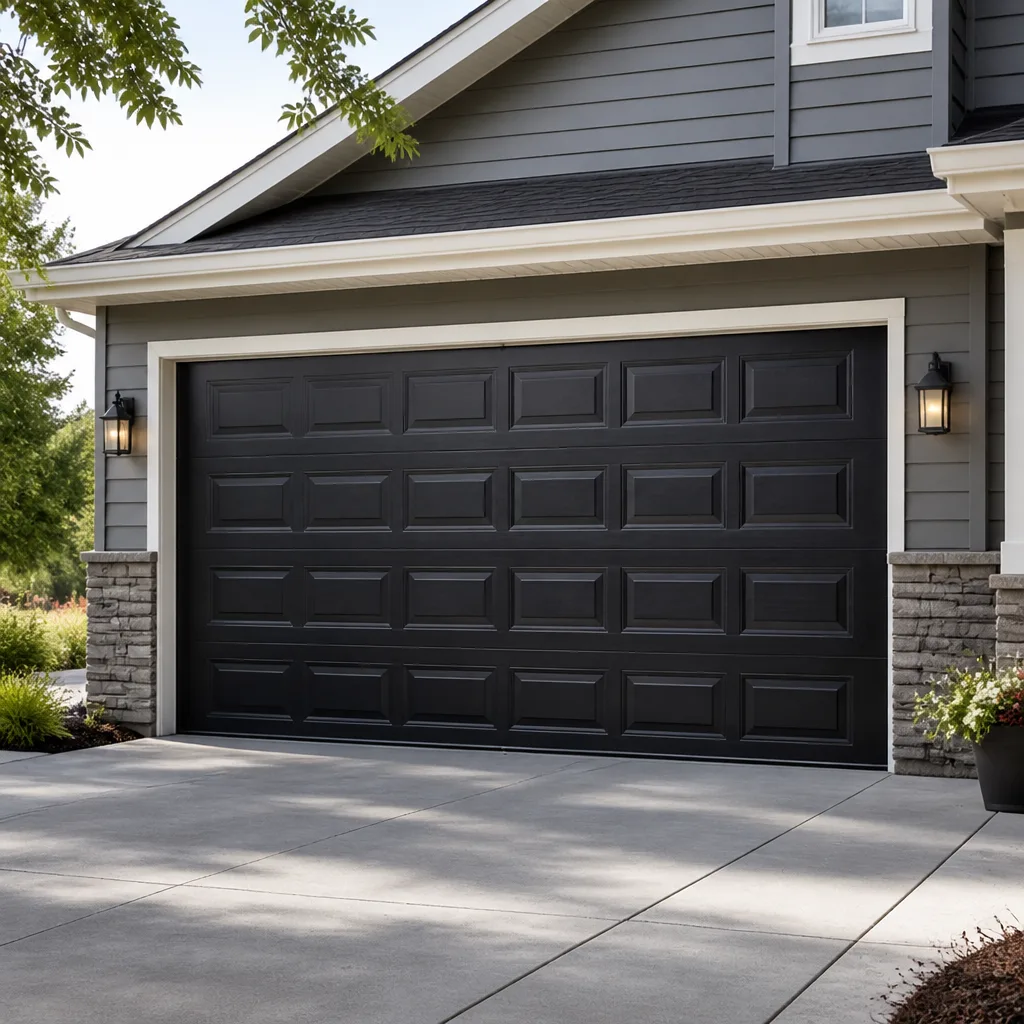 Raised-panel steel
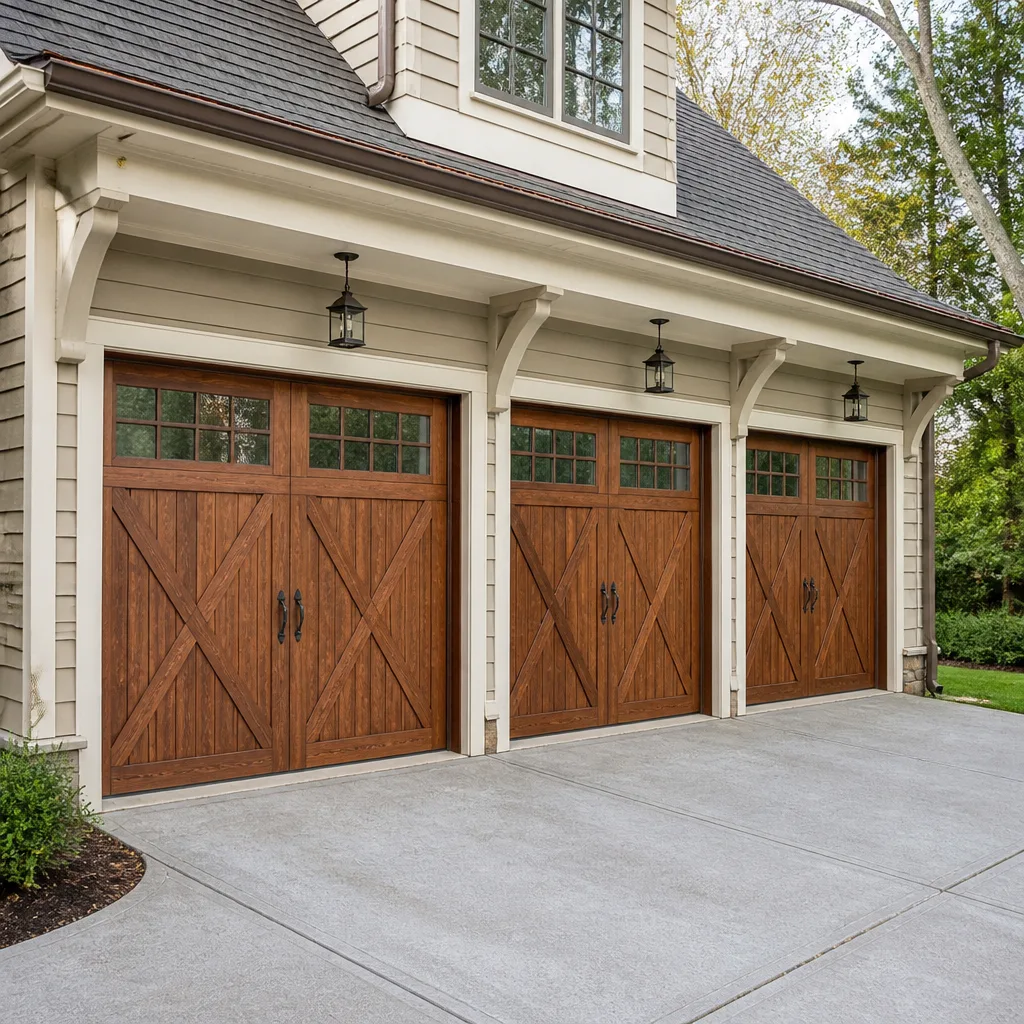 Carriage house
 Modern flush
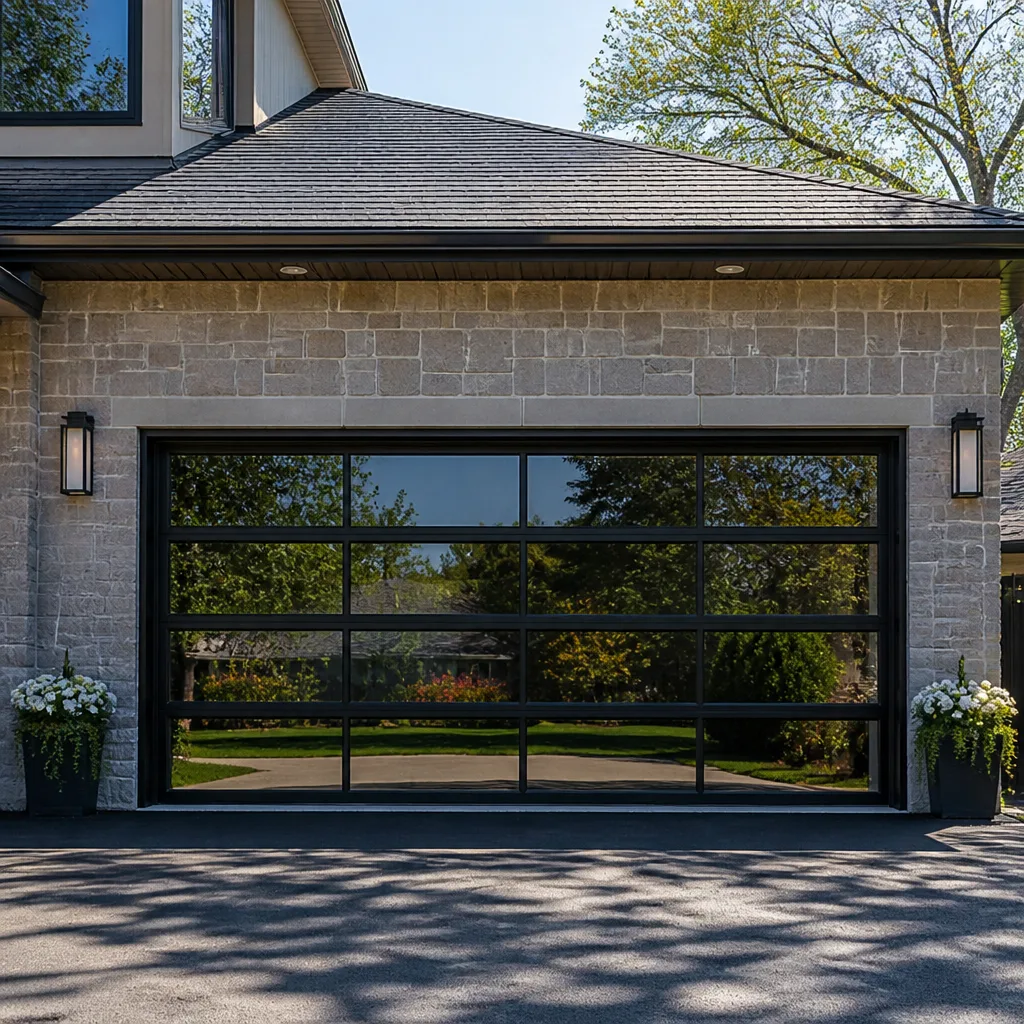 Full-view glass
 LiftMaster openers
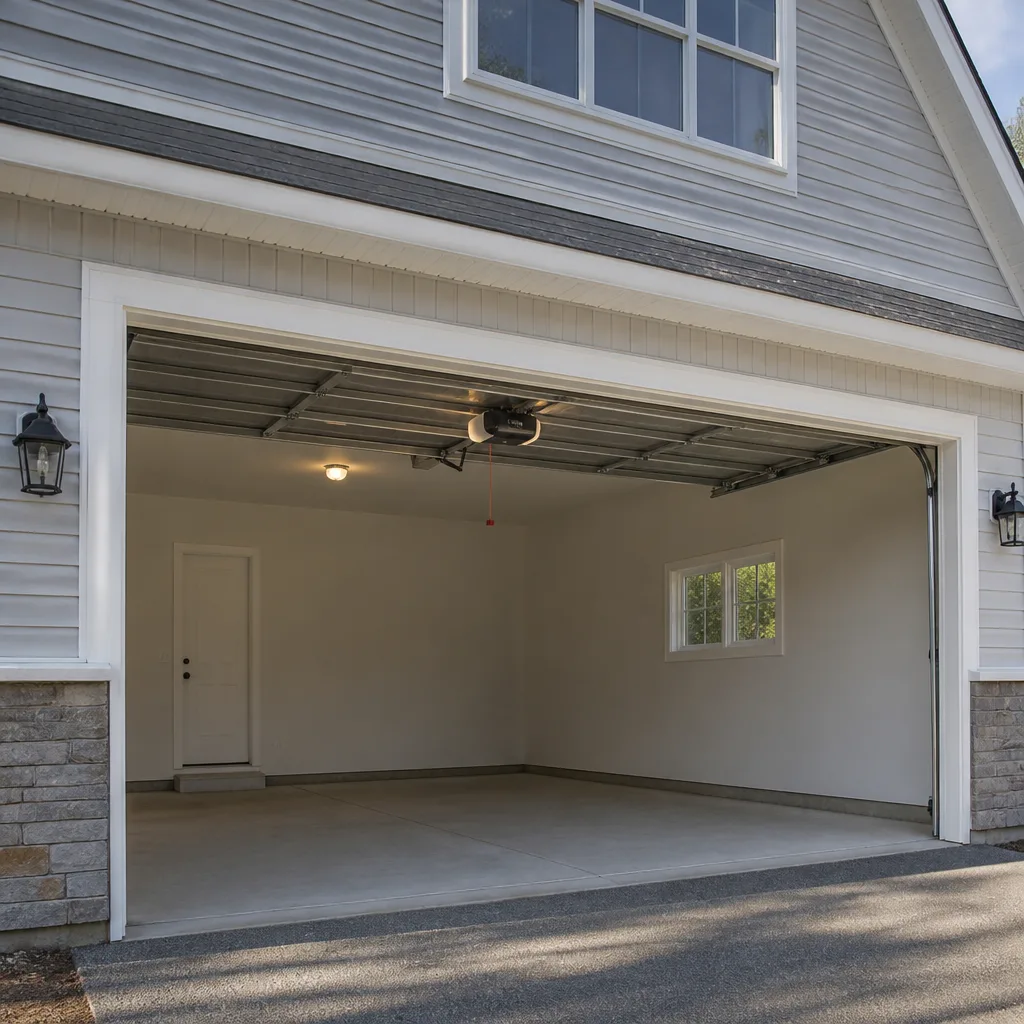 Chamberlain openers
Full 25-point door and opener safety check with every visit - springs, cables, rollers, tracks, and your LiftMaster or Chamberlain opener included
You get a price before we start. It does not change when the pro arrives.
Get your free estimateDIY vs Professional Garage Door: The Battle Creek Homeowner’s Decision Guide
A torsion spring holds enough stored energy to cause a serious injury in the fraction of a second it takes a winding bar to slip. That’s not a liability disclaimer tacked onto a service page, it’s the actual physics of the component, and it’s the reason the DIY versus professional question for garage doors isn’t really a yes-or-no decision at all. It’s task-specific. Most homeowners in Battle Creek can competently handle roughly 40% of garage door upkeep themselves with tools they already own. The other 60% involves stored mechanical energy, overhead weight, or both, and that’s where self-service stops being thrifty and starts being risky.
This guide draws the line at the component level, not the project level, so you can look at your own door and know exactly which parts are yours to touch and which ones belong to a trained technician.
Quick Answer
You can safely handle about 40% of garage door maintenance yourself in Battle Creek: lubrication, visual inspection, balance checks, track cleaning, weather seal replacement, and photo-eye alignment. The other 60% involves high-tension springs, cables, bottom brackets, and torsion hardware that store enough energy to injure you in a split second, and those belong to a trained technician. Anything involving the spring system, the lifting cables, or a door that has come off its tracks should go to a professional.
Styles & brands we work with
- Raised-panel steel
- Carriage house
- Modern flush
- Full-view glass
- LiftMaster openers
- Chamberlain openers
Table of Contents
- Which Garage Door Tasks Are Safe to DIY?
- What Tools Do You Actually Need for the Safe DIY Tier?
- Why Are Springs and Cables Professional-Only?
- When Does a Failed DIY Repair Cost More Than a Professional Visit?
- How Do You Tell a Safe YouTube Tutorial From a Dangerous One?
- Can You Do Opener Work Yourself?
- What Should You Tell a Technician If You Already Tried the Repair?
- When Should You Call a Professional?
Which Garage Door Tasks Are Safe to DIY?
Here’s the component-by-component breakdown, with the mechanical reason behind each classification. This is the part most generic DIY guides skip, because a “how to fix your garage door” article that doesn’t separate safe tasks from dangerous ones isn’t actually useful. In our experience servicing doors across Battle Creek, the failures we see on a service call almost always trace back to a homeowner not realizing where the safe zone ended.
| Component / Task | Classification | Why |
|---|---|---|
| Lubricating hinges, rollers, and tracks | Safe DIY | No stored energy involved. Extends roller life and quiets operation. |
| Visual inspection (rollers, hinges, cables, springs, panels) | Safe DIY | Looking costs nothing and reveals problems early. |
| Testing door balance (disconnect opener, lift) and testing the auto-reverse | Safe DIY | Confirms the opener and door are working together safely. |
| Cleaning tracks with a cloth and mild cleaner | Safe DIY | No disassembly, no tension, no lifting. |
| Replacing the bottom weather seal / gasket | Safe DIY | The seal slides into a track and carries no load. |
| Aligning photo-eye safety sensors | Safe DIY | Low voltage, no moving parts you can get caught in. |
| Replacing rollers (with the door fully open and the opener disconnected) | Cautious DIY | Doable, but only if you follow the exact sequence and don’t force anything. |
| Tightening hinge and bracket bolts | Cautious DIY | Fine in most spots, but over-tightening hardware on a pressed panel can crack it. |
| Adjusting opener limits and force settings | Cautious DIY | Common task, but the wrong setting defeats the safety reverse. |
| Replacing the opener motor or drive unit | Professional | Weight, mounting, wiring, and safety-reverse setup all have to work together. |
| Replacing torsion or extension springs | Professional | High-tension springs store enough energy to cause serious injury. |
| Replacing or adjusting lifting cables | Professional | Cables carry the door’s weight under tension; a snap can whip. |
| Removing the bottom bracket | Professional | The bracket anchors cable tension. This is one of the most dangerous jobs on the door. |
| Replacing the panel or the whole door | Professional | Weight, balance, track alignment, and safe installation are all tied together. |
Notice the pattern. The safe tier is all about seeing trouble early and keeping metal moving smoothly. The professional tier is all about parts that hold mechanical energy or carry the door’s weight. That’s the line, and it doesn’t move based on how handy you are or how good the tutorial looked.
What Tools Do You Actually Need for the Safe DIY Tier?
Almost certainly less than you’d guess. The safe DIY tier of garage door maintenance in Battle Creek needs a small, ordinary toolkit, and most homeowners already own every item on this list:
- A socket set or adjustable wrench for hinge and roller bolts.
- A flathead and a Phillips screwdriver for photo-eye brackets and seal retainers.
- White lithium grease or a dedicated garage door lubricant (not WD-40, which cleans rather than lubricates).
- A step ladder tall enough to reach the opener head safely, never a chair or a stack of crates.
- A clean rag and a mild cleaner for the tracks.
- A tape measure for confirming panel alignment.
- Work gloves to protect your hands from burrs on the tracks.
That’s the whole kit. What you don’t need, and shouldn’t use, is anything that touches the spring system. Winding bars, cable clamps, and specialty spanners are professional tools because the jobs they’re designed for carry stored energy, and an untrained hand wielding them on a loaded spring is exactly the scenario that sends people to the emergency room.
One more rule for the safe tier: disconnect the opener before doing balance checks, and never stand under a door on a ladder while the opener is energized. A door that unexpectedly cycles while you’re working on it is a genuine hazard, and it’s avoidable by cutting power at the wall switch or breaker first. If at any point you’re not sure you can do a task safely, stop and call us. That’s not a failure. It’s the correct call.
Why Are Springs and Cables Professional-Only?
Because a wound garage door spring is a compressed mechanical battery, and it doesn’t care whether you understand it. Torsion springs sit on the shaft above the door in a wound, loaded state. Extension springs run along the sides and are stretched under tension. Both release their stored energy instantly if you make a mistake, and both are the reason spring replacement belongs to a trained technician, not a ladder and a video tutorial.
Here’s the mechanical reason, plainly:
- A wound torsion spring stores the energy to lift the full weight of the door, hundreds of pounds of it.
- That energy stays loaded until it’s deliberately, slowly released with the right tools and the right technique.
- If the spring slips off the winding bar or the cable lets go, the release is immediate, not gradual.
- The person doing the work is often standing directly in the release path.
This is also why spring repair isn’t a job a general handyman should quote. It requires knowledge of the door’s weight, the spring’s wind count, and the correct matched size. If a technician installs the wrong spring, the door can be hard to lift, the opener strains, and the door slams. We treat spring repair as a core service precisely because it’s the component where willingness and capability part ways. On a service call in Battle Creek, our technicians replace springs to the correct size and weight for your door, then rebalance and test it before the call wraps up.
If you notice a snapped spring, a door that won’t lift, or a loud bang from the garage, leave it alone. Do not attempt to open or close the door with the opener. Call us and we’ll book the repair. For anything that fails at a genuinely inconvenient hour, our Garage Door Repair Battle Creek service handles the urgent calls, spring failures included.
When Does a Failed DIY Repair Cost More Than a Professional Visit?
There are a handful of specific situations where a failed attempt to fix it yourself ends up costing more to correct than the original professional repair would have. This isn’t about discouraging homeowners from touching their own doors. It’s about helping you spot the moment when “good enough” turns into a bigger bill. In our experience, these are the most common:
- A mis-sized spring installed by a well-meaning homeowner. The wrong spring can damage the opener, wear out the cables early, and leave the door out of balance. The repair then becomes spring plus opener plus cable, rather than spring alone.
- A roller replaced with the door under tension. Forcing a jammed roller out can bend the track, and a bent track means realignment and often a new roller and hinge, not a five-dollar part.
- Cables re-clamped without the right setting. An uneven cable load tilts the door and can shear panel brackets. The cable plus the bracket plus the realignment adds up.
- Opener limits adjusted too aggressively. If the safety reverse stops working, the opener can close on an object or a person. Correcting it means a proper opener diagnostic and a fresh setup, and sometimes a new opener.
- Stripped hinge bolts on a pressed panel. Over-tightening can crack the panel, and a panel replacement is a much bigger job than the squeak you were trying to fix.
- A door forced back onto its tracks. Misaligned rollers and bent tracks can turn a quick realignment into a full track replacement.
None of these are catastrophic. Each is the kind of thing that makes a technician’s job more involved, and the bill reflects the extra parts and time. The smarter move is to recognize the moment the task leaves the safe tier and stop. That’s when calling for garage door repair is cheaper than finishing the job yourself. We’ll tell you honestly what the correction involves and quote the price before we start.
How Do You Tell a Safe YouTube Tutorial From a Dangerous One?
Most tutorials that demonstrate genuinely safe technique share a few markers, and most dangerous ones share the opposite. You can spot the difference in the first thirty seconds if you know what to look for. Here’s the test we’d suggest:
- Check what tools the presenter uses. A safe technique on the safe tier needs a wrench, a screwdriver, a rag, and lubricant. If the video shows winding bars, cable clamps, or a torch, the task is professional-tier and you’re watching someone demonstrate a job you shouldn’t repeat.
- Check for a disconnect step. Any safe tutorial on opener adjustment shows the presenter pulling the manual release or cutting power first. A video that skips that step is teaching you to work around a live mechanism.
- Look for a “when to stop” moment. Honest tutorials tell you when to call someone. If the presenter never mentions a scenario where you should stop, they’re selling confidence, not competence.
- Watch for survivorship-bias framing. “I did this in my driveway and it worked” is not a technique demonstration. It’s a lucky outcome. The technique matters more than the result.
- Check whether the tutorial was made by someone who works on doors. A working technician talks about door weight, spring wind counts, and balance. A hobbyist talks about how hard it was and how they got it done.
- Look at the door itself. Wood panel doors, older single-panel doors, and doors with extension springs all behave differently from modern sectional doors. A tutorial shot on a modern door may not transfer safely to yours.
If a video passes all six checks and the task is on the safe tier, use it. If it fails any of them, stop and call us. There are plenty of techniques we won’t repeat on a page or in a video, and spring winding is at the top of the list. That’s a trained-technician task, full stop.
Can You Do Opener Work Yourself?
Some opener tasks sit in the safe tier and some don’t. The split is roughly the same as on the door itself: the things you can touch with the door safely disconnected and no stored energy are yours to do, and the rest belongs to a technician. Because opener brands behave differently, the biggest mistake homeowners make is assuming one brand’s instructions apply to another’s. LiftMaster, Chamberlain, Genie, and Raynor all use different limit and force setup procedures, and following the wrong brand’s manual is a common reason an otherwise simple adjustment goes wrong.
What’s safe to do yourself:
- Replacing the batteries in the remote and confirming the remote works.
- Aligning the photo-eye sensors and clearing cobwebs or debris between them.
- Re-pairing a remote or keypad to the opener, using the brand’s actual instructions.
- Visual inspection of the opener rail, belt, or chain for obvious wear.
- Wiping down the opener housing and clearing anything stored on or around it.
What isn’t:
- Adjusting or replacing the opener’s force settings after a spring failure.
- Replacing the motor, belt, chain, or drive gear.
- Wiring a new opener into the ceiling outlet.
- Diagnosing an opener that runs but won’t lift the door (the door may be the problem, not the opener).
That last point matters. An opener that runs but doesn’t lift is usually telling you the door is heavy, which means the spring has failed or the door is out of balance. The fix is on the door, not the opener. We see plenty of opener replacements booked for what turns out to be a spring problem, which is why we diagnose before recommending a fix. If your opener needs attention, garage door opener repair covers all the major brands, and we won’t tell you to replace a unit that just needs a part.
What Should You Tell a Technician If You Already Tried the Repair?
Tell us everything, including the part you’re not proud of. Transparency makes the diagnosis faster and the bill lower because we don’t have to reverse-engineer someone else’s handiwork. Homeowners in Battle Creek sometimes hold back out of embarrassment, and it costs them time and money. There’s no judgment on our side. The goal is to get the door working correctly and safely. Here’s what we want to know:
- What you touched. “I replaced a roller” versus “I’m not sure which part” changes the starting point. If you have the old part, keep it.
- What tool you used. This tells us whether a specific adjustment or a stripped bolt is likely.
- What the door did after. Did it move differently? Sound different? Stop partway? The post-repair symptom narrows the diagnosis.
- Whether the opener was disconnected or energized. This tells us whether the opener may have been strained.
- Whether you adjusted the springs or cables at all. If yes, we treat the whole spring and cable setup as suspect and inspect it end to end.
Then let the technician work. The right approach on an already-attempted repair is to diagnose first, quote a written price, and then do the work. We quote and agree on the price before any work starts, so a correction is a known number, not a surprise on the invoice. Our technicians have up to 9 years of experience, and they’ve seen enough attempted repairs to spot the usual tells. One call covers the correction, and we can keep going on the door from the same visit.
If the door needs a full replacement rather than a correction, we handle that too, so there’s no second company to coordinate. garage door installation covers a free measure and a written price for the new door. On the install side, the work is measured and scheduled, not same-day.
Common Mistakes to Avoid
- Treating the garage door as a single DIY project. It’s not. The safe tier and the professional tier are genuinely different jobs, and the biggest mistake is assuming a task belongs to the first because it looks similar to one that does.
- Buying a spring by measurement alone. A spring’s job depends on the door’s weight, the wind count, and the correct wire gauge. An online order based on length is a guess, and the wrong spring strains the opener and shortens the cable’s life. Buy from a technician who matches the spring to the door, which is what our spring replacement covers.
- Replacing the opener when the door is the problem. A door with a broken spring will make a brand-new opener work hard and fail early. Diagnose the door first.
- Using WD-40 as a lubricant on tracks and rollers. It draws dust and doesn’t lubricate the way a garage door needs. Use white lithium grease on hinges and rollers, and keep the tracks clean.
- Over-tightening hinge bolts. A pressed panel cracks, and a cracked panel is a repair, not a tightening. Snug is enough.
- Disconnecting the opener and then reconnecting it without testing the safety reverse. A door that closes on an object is a real hazard, and the test takes seconds.
- Calling it an emergency when it’s a scheduled repair, or vice versa. A snapped spring in an attached garage is a real problem, but a door that won’t close is a security risk, not a next-week problem. Call early in the day so we can fit you in.
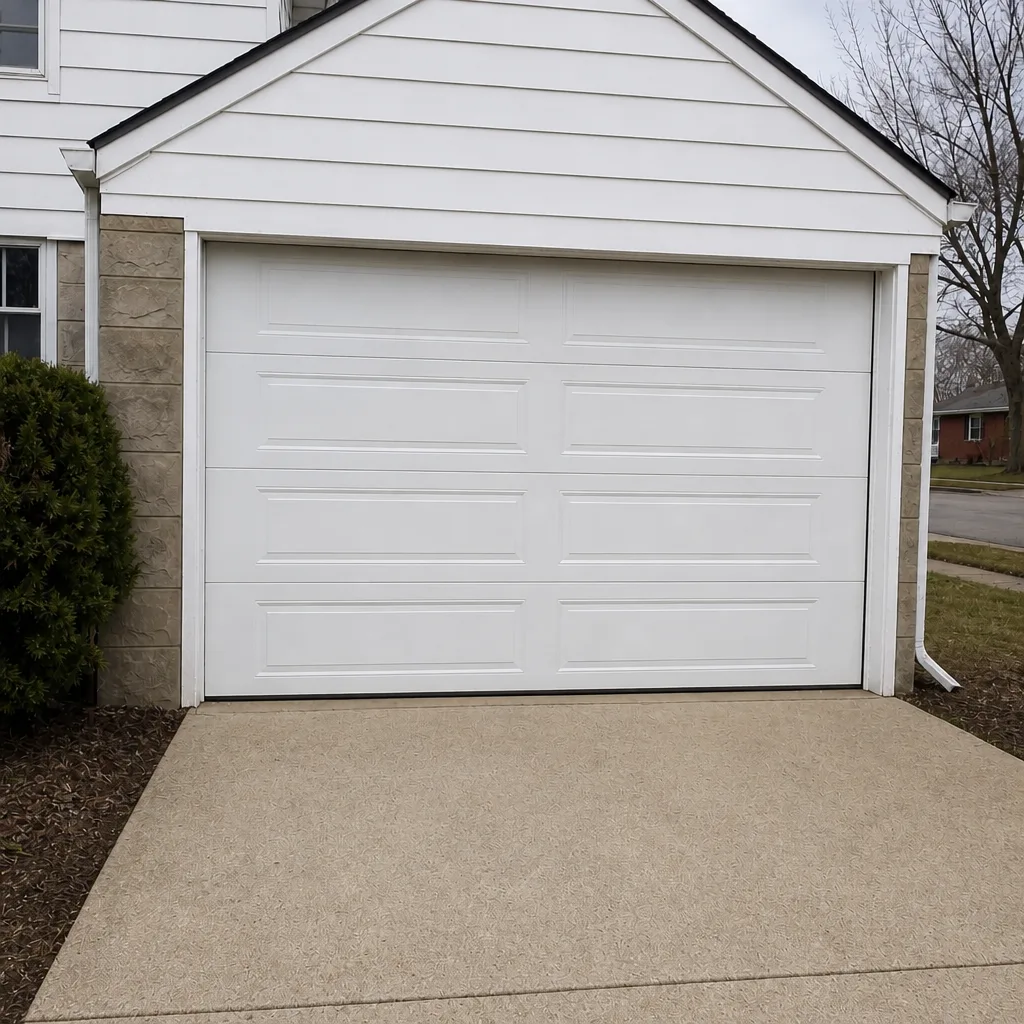
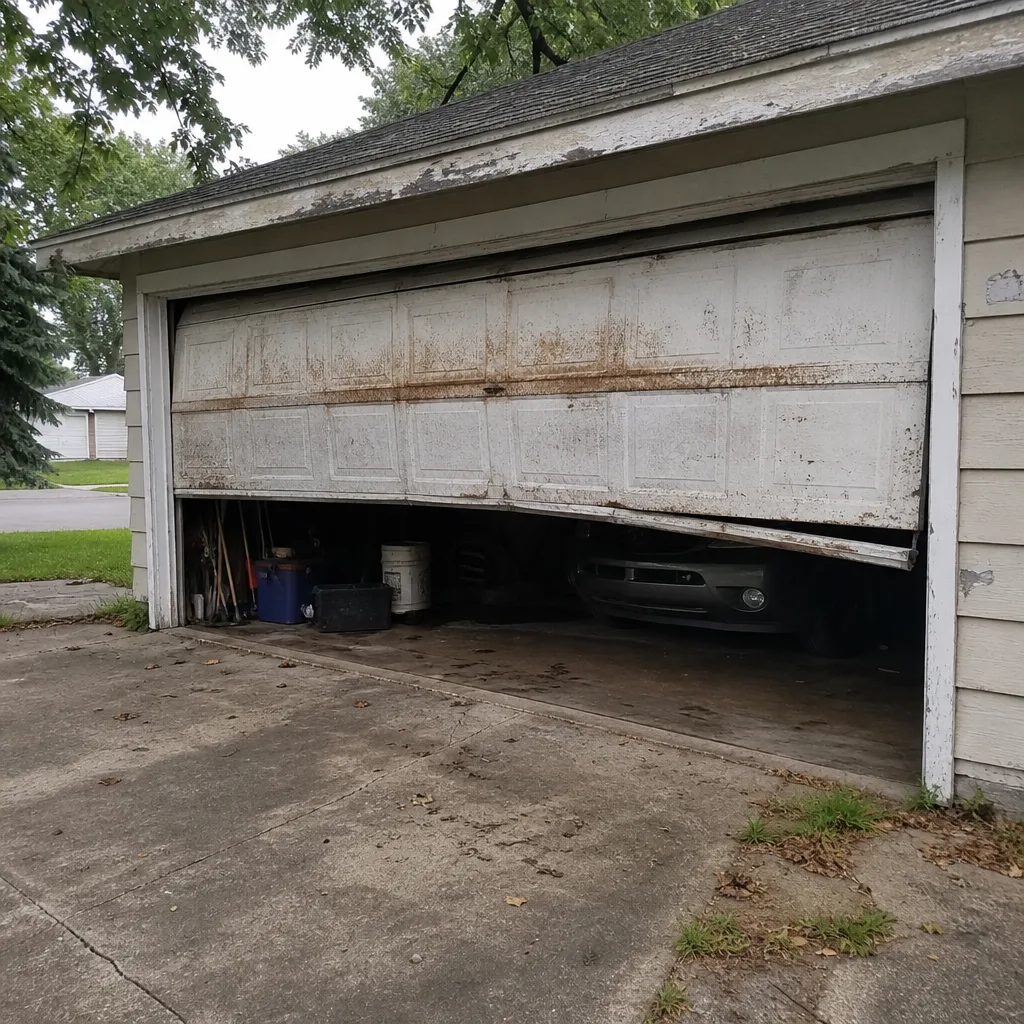
See the difference
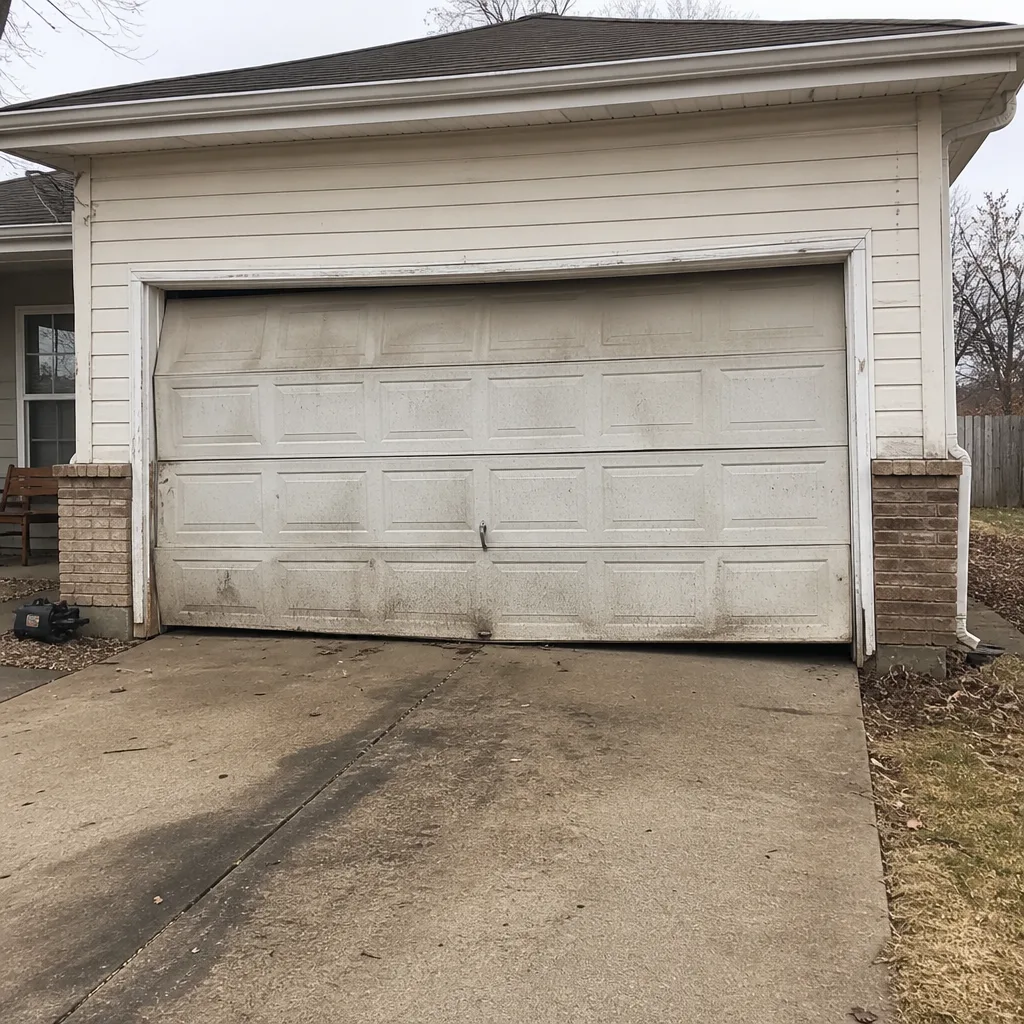 Before
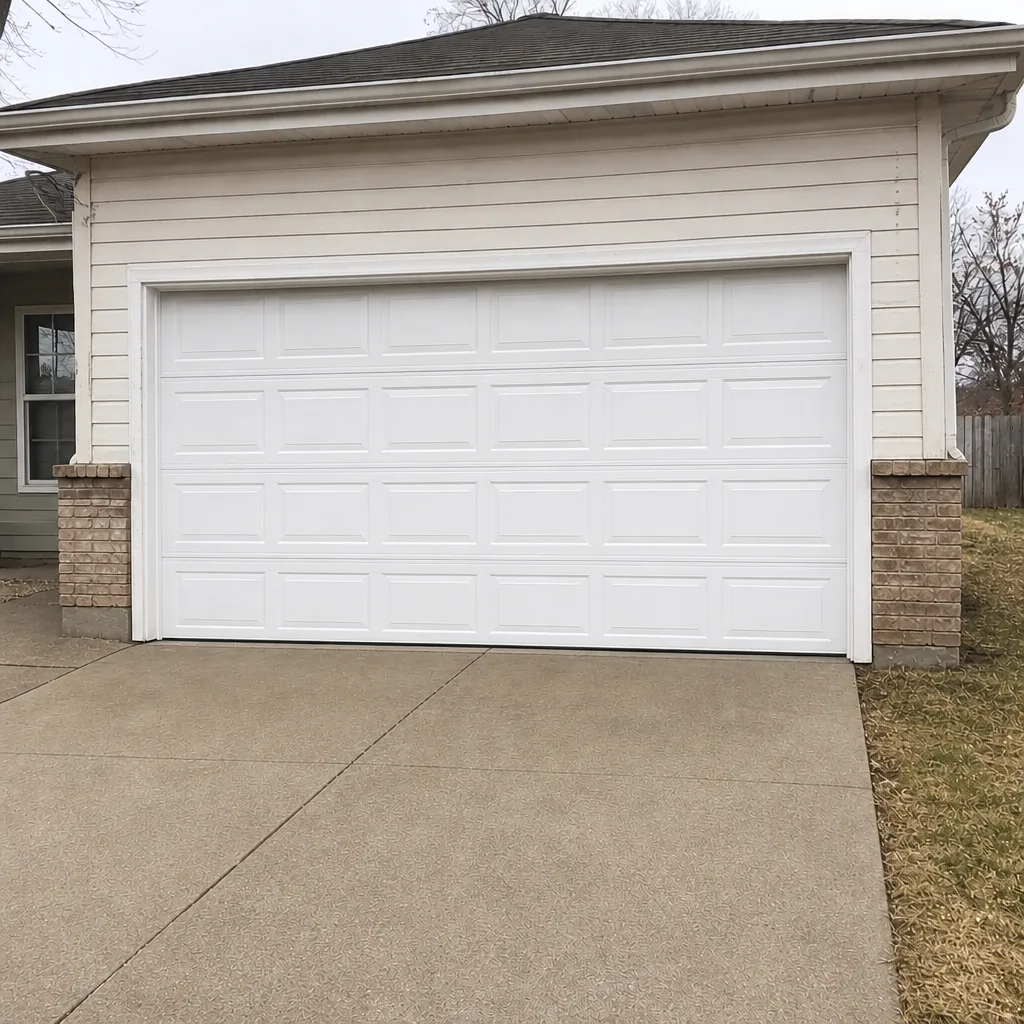 After
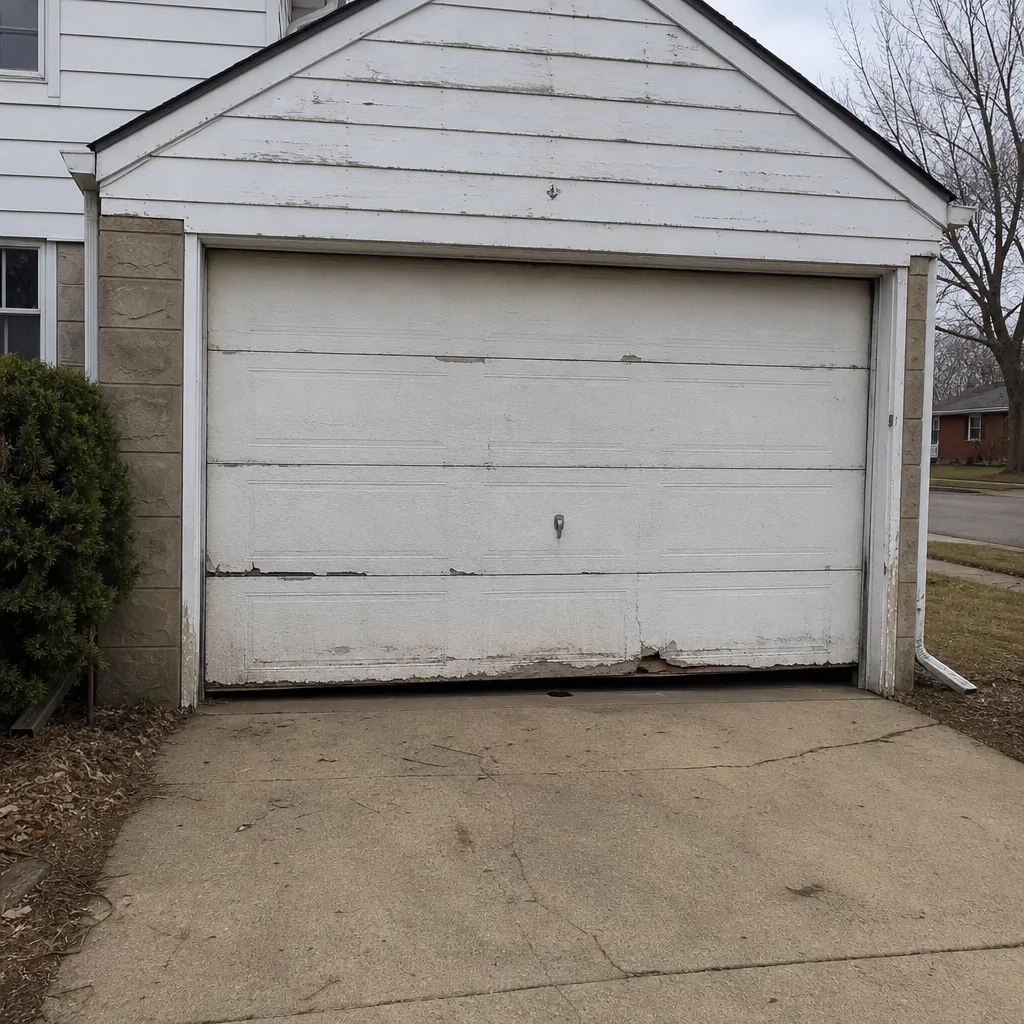 Before
 After
 Before
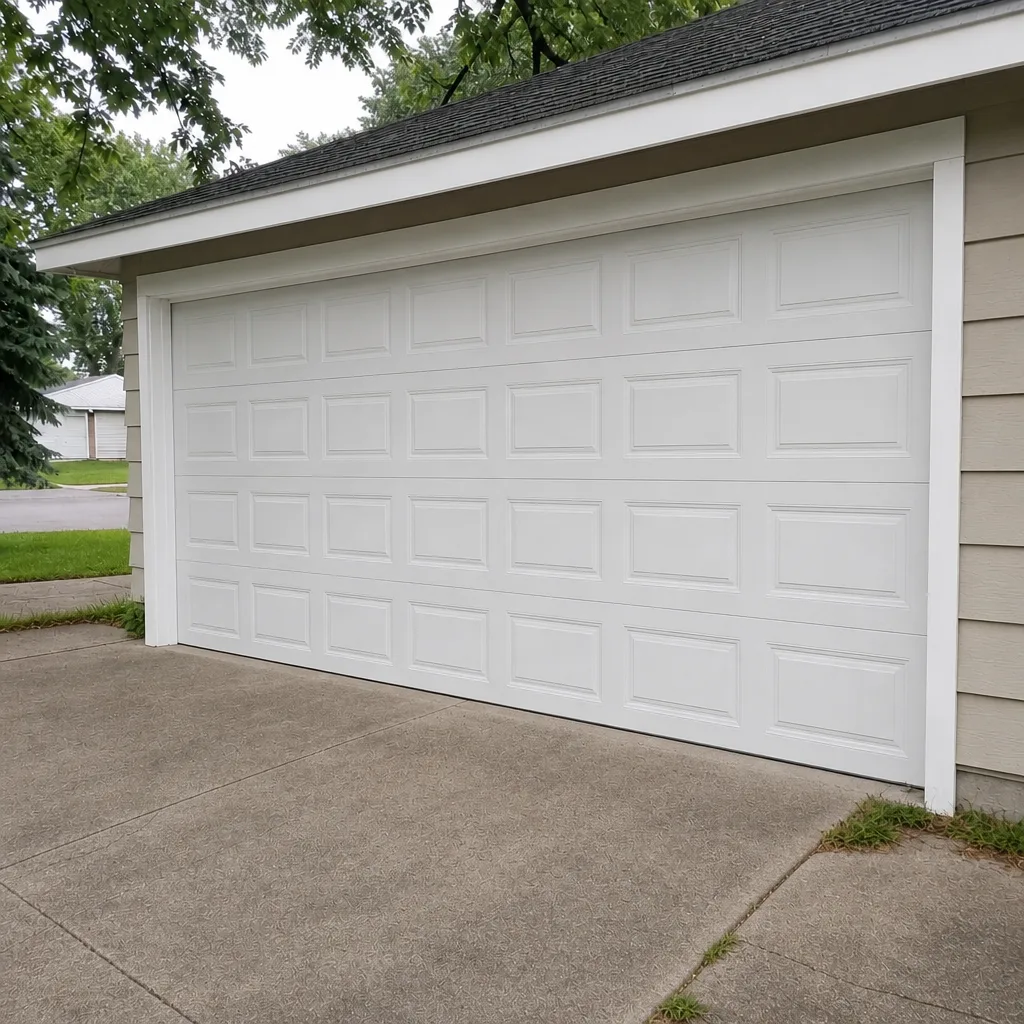 After
When to Call a Professional
Call us when the job involves a spring, a cable, a bottom bracket, a bent track, an off-track door, or an opener that needs a real diagnostic. Call when you’ve started a repair and aren’t sure how to finish it. Call when the door won’t close and your garage is open to the street, because that’s a security risk, not a convenience issue. Call when your existing hardware is a brand you didn’t expect to find a specialist for, because we service Raynor, LiftMaster, Chamberlain, Genie, and the other major brands, and we don’t turn you away because of what you own. If you’re in Battle Creek and you’re not sure which tier your task belongs to, call and describe it. Garage Door Repair Battle Creek offers free estimates in Battle Creek, and we’ll quote the price before any work starts. Call (844) 964-0574.
Frequently Asked Questions
No. A torsion or extension spring stores enough energy to cause serious injury, and a slip during winding or tensioning releases it in a fraction of a second. Spring replacement requires the right tools, the right technique, and a technician trained on the specific door. Call (844) 964-0574 for a free estimate on spring replacement in Battle Creek.
You can safely lubricate hinges and rollers, inspect the cables and springs visually, test the door balance, clean the tracks, replace the bottom weather seal, and align the photo-eye sensors. Those tasks involve no stored energy and use tools you likely already own. Anything touching springs, cables, bottom brackets, or panel weight belongs to a technician. Call (844) 964-0574 if you’re unsure which side of that line a task falls on.
Yes, that’s what our emergency service is for. A garage door that won’t close leaves your home open to the street, and we treat it as urgent. Call (844) 964-0574, describe what the door is doing, and we’ll get you booked. Estimates are free, and the price is agreed before any work starts.
No. We inspect the door, identify the real cause, and give you a written price before any work begins. If the diagnosis changes once the door is open, we explain the difference and get your agreement before continuing. There’s no surprise invoice. Call (844) 964-0574 for an exact quote, free of charge.
We service all the major residential brands, including LiftMaster, Chamberlain, Genie, Clopay, Amarr, Wayne Dalton, Craftsman, and Raynor. That covers the vast majority of doors and openers installed on homes around Battle Creek. You don’t need to replace your hardware to get service for it. Call (844) 964-0574 and tell us what you have.
Yes, and it’s better to tell us everything you tried. What you touched, what tool you used, and what the door did afterward all speed up the diagnosis and lower the final bill. There’s no judgment. We diagnose first, quote a written price, and then fix it. Call (844) 964-0574 for a free estimate.
The Bottom Line
The DIY versus professional question isn’t about whether you’re handy. It’s about which parts of the door store energy and which don’t. Lubrication, inspection, balance checks, seals, and sensor alignment are yours to handle, and doing them well extends the life of the door. Springs, cables, bottom brackets, track realignment, and panel work belong to a trained technician, because those parts release stored energy too fast for a mistake to be survivable. If you’re in Battle Creek and you’re not sure which tier your task belongs to, call and describe it. We quote the price before any work starts, and one call covers the repair, the opener, the spring, and the door itself if it comes to that.
Ready to get it handled? Call (844) 964-0574 for a free estimate. We’ll diagnose the real problem, give you a written price, and get your garage door working the way it should.
Written by the team at Garage Door Repair Battle Creek.